
AI Art and the Evolution of Human Expression: A New Creative Language
AI Art and the Evolution of Human Expression: A New Creative Language
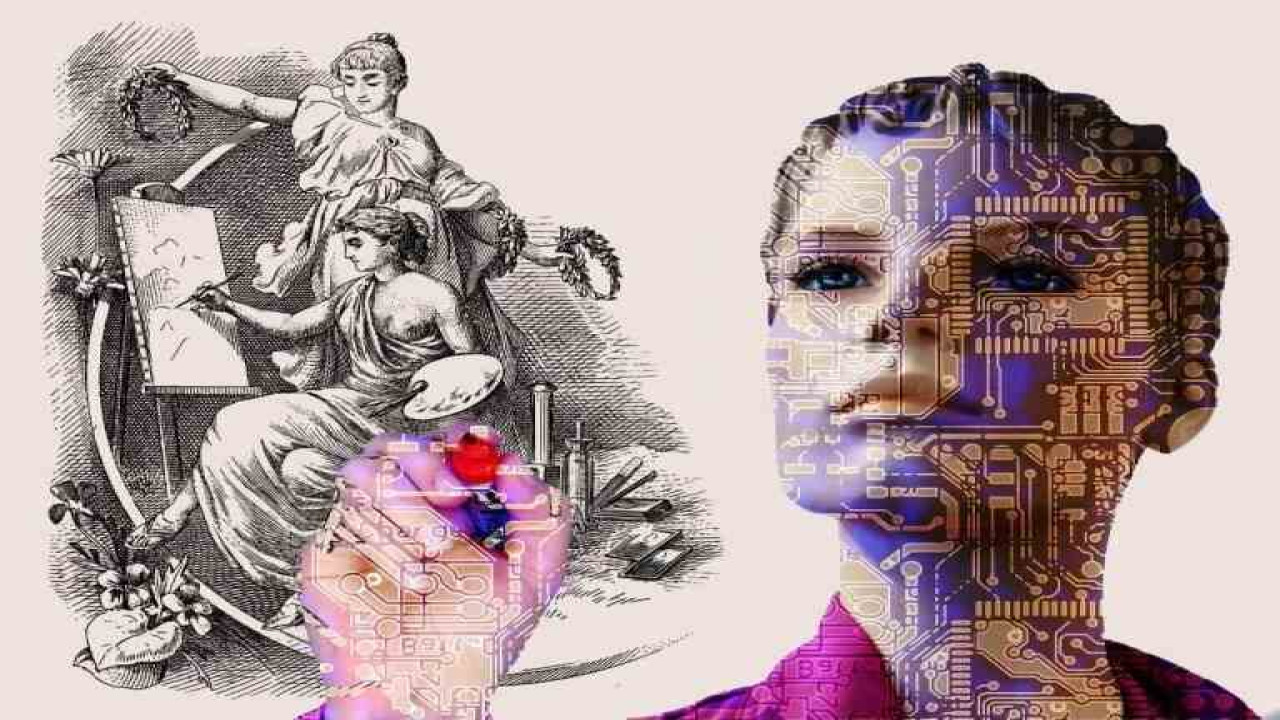
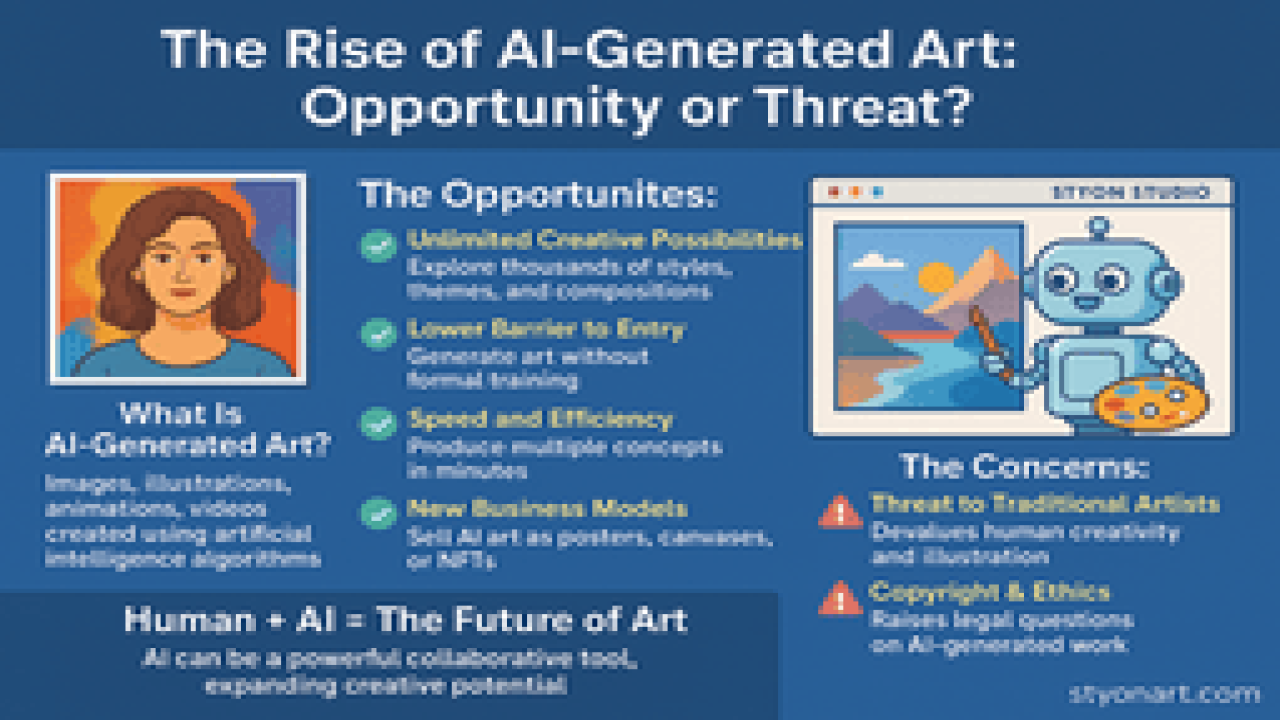
Human expression has evolved for thousands of years—from cave paintings to sculpture, from photography to digital art. Today, we are entering a new chapter: the era of AI-generated creativity. Artificial intelligence is not replacing human expression; it is expanding it, offering new ways to visualize emotions, ideas, and identity.
Platforms like StyonArt make these possibilities accessible to everyone, giving rise to a powerful new artistic language.
From Traditional Art to Digital Evolution
Every major change in art history introduced new forms of expression:
Renaissance realism
Impressionism
Photography
Digital illustration
3D modeling
AI art is the next milestone—one that blends human imagination with machine intelligence.
This shift allows people to create visuals that were impossible with traditional methods.
AI as a New Creative Vocabulary
AT the core of AI art is language.
Users describe what they imagine, and AI transforms those words into images.
This creates a new creative vocabulary:
emotions become colors,
stories become scenes,
identities become styles,
ideas become visual narratives.
Prompting becomes an art form in itself—a new method of shaping expression.
Breaking the Boundaries of Imagination
AI expands the limits of creativity by allowing anyone to create:
surreal landscapes,
impossible architecture,
futuristic worlds,
exaggerated characters,
symbolic compositions,
personalized narratives.
Nothing is too abstract or too complex.
If a person can imagine it, AI can visualize it.
This freedom empowers people to express themselves without technical limitations.
A Tool for Cultural Expression
Different cultures have different symbols, colors, and visual traditions.
AI allows users to blend:
heritage,
personal stories,
artistic influences,
and modern aesthetics.
People can now create artwork that honors cultural identity in new, expressive ways.
Emotional Storytelling Made Accessible
AI art helps people communicate emotions that are hard to describe in words:
joy,
nostalgia,
loneliness,
love,
transformation,
inner conflict.
Visual storytelling becomes easier, faster, and more intuitive—especially for those who struggle to express themselves verbally.
AI Art as a Mirror of Identity
In the digital age, identity is constantly evolving.
AI art reflects this by allowing people to shape:
avatars,
self-portraits,
personal symbols,
emotional landscapes.
This builds stronger:
self-awareness,
personal branding,
emotional expression.
Creativity becomes a journey of self-discovery.
A New Era of Communication
AI-generated visuals are becoming a universal language.
People share AI art to express:
opinions,
moods,
personal stories,
beliefs,
dreams.
Images communicate faster than words—and AI makes them easier than ever to create.
The Human–AI Collaboration
AI does not create meaning on its own.
Meaning comes from the human:
imagination,
intention,
emotional experience.
AI simply amplifies it.
This collaboration marks the beginning of a new artistic era—one where humans lead, and technology supports.
Conclusion
AI art is redefining how humanity expresses emotion, identity, and imagination. It introduces a new visual language that empowers everyone—not just trained artists—to tell stories in powerful, meaningful ways.
Platforms like StyonArt lead this transformation, helping people turn their thoughts and emotions into stunning works of art.

Comments (0)
No comments found