

art-and-spiritual-expression-2026-searching-for-meaning
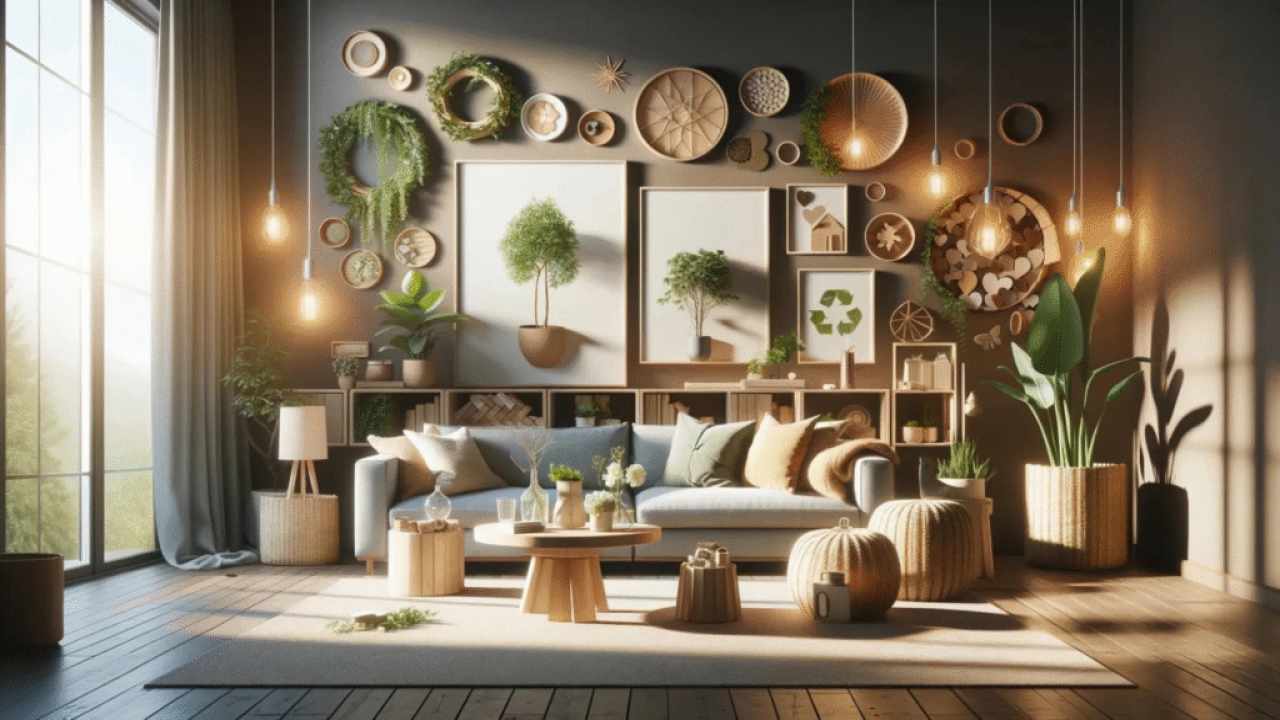
By 2026, sustainability in art evolves from a visual trend into a deeper mindset. Creativity becomes a reflection of conscious living, ethical choices, and long-term responsibility toward people, materials, and the environment.
Sustainability as a Way of Thinking
Art in 2026 is shaped by intention. Artists consider not only what they create, but how and why. Materials, processes, and messages are aligned with values of care, balance, and respect for natural resources.
Art Reflecting Conscious Lifestyles
As audiences adopt more mindful lifestyles, art mirrors these choices. Works that emphasize simplicity, durability, and emotional depth resonate strongly with people seeking meaning over excess.
Responsible Creation and Transparency
Viewers increasingly value transparency. Knowing the origin of materials, the creative process, and the artist’s values strengthens trust and emotional connection. Sustainability becomes part of the artwork’s story.
Emotional Impact Over Consumption
Sustainable art shifts focus away from constant consumption. Instead of quantity, it offers emotional longevity—artworks that remain relevant, comforting, and meaningful over time.
Inspiring Behavioral Change
Art has the power to influence attitudes. In 2026, sustainable creativity subtly encourages more conscious behavior by raising awareness through beauty, emotion, and reflection rather than confrontation.
A Lasting Cultural Transformation
Sustainability is no longer optional. In art, it represents a cultural transformation toward responsibility and care. Creativity becomes a quiet but powerful force in shaping a more thoughtful and conscious future.

Comments (0)
No comments found