



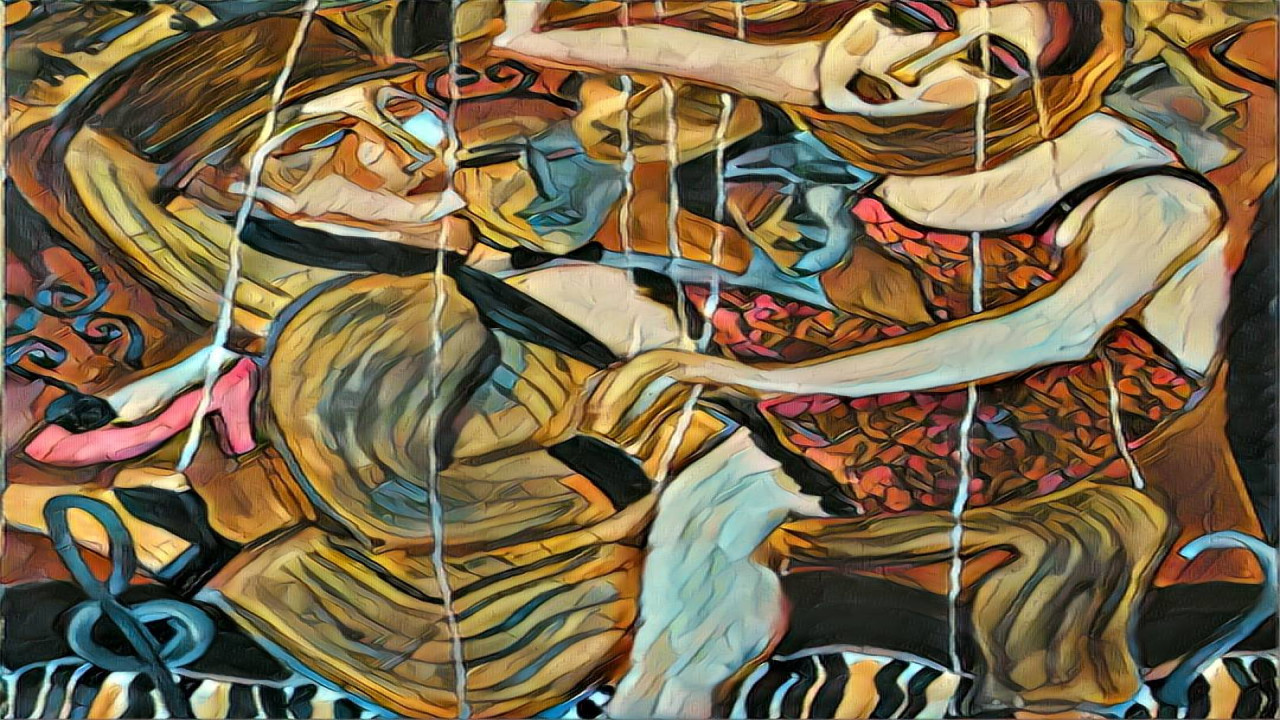
Art and Storytelling: How Creativity Preserves Human Experience
Storytelling lies at the heart of art. Long before written history, humans used images, symbols, and performances to tell stories, preserve memories, and pass knowledge from one generation to another. Art remains one of the most powerful ways to capture and communicate human experience.
Art as a Keeper of Stories
Through paintings, sculptures, music, and film, art records moments that shape individuals and societies. These creative expressions preserve emotions, events, and perspectives that might otherwise fade over time. Art transforms memories into lasting narratives.
Visual Narratives and Emotional Depth
Art tells stories beyond words. Colors, composition, and form convey meaning and emotion instantly. A single image can capture an entire story, allowing viewers to interpret and connect with it through their own experiences.
Cultural Memory and Tradition
Storytelling through art preserves cultural heritage. Myths, traditions, and historical events are carried forward through artistic expression, helping communities maintain identity and continuity across generations.
Art and Collective Experience
Shared stories unite people. Art exhibitions, performances, and films create collective experiences that strengthen social bonds. Through shared narratives, individuals find common ground and understanding.
Adapting Stories in the Modern World
Digital media has expanded storytelling possibilities. Animation, virtual reality, and interactive art allow stories to evolve dynamically, inviting audiences to engage more deeply and actively with creative narratives.
Why Artistic Storytelling Endures
Technology changes how stories are told, but art remains essential to storytelling. It gives depth, emotion, and meaning to human experiences, ensuring that stories are not only remembered—but felt.


Comments (0)
No comments found