



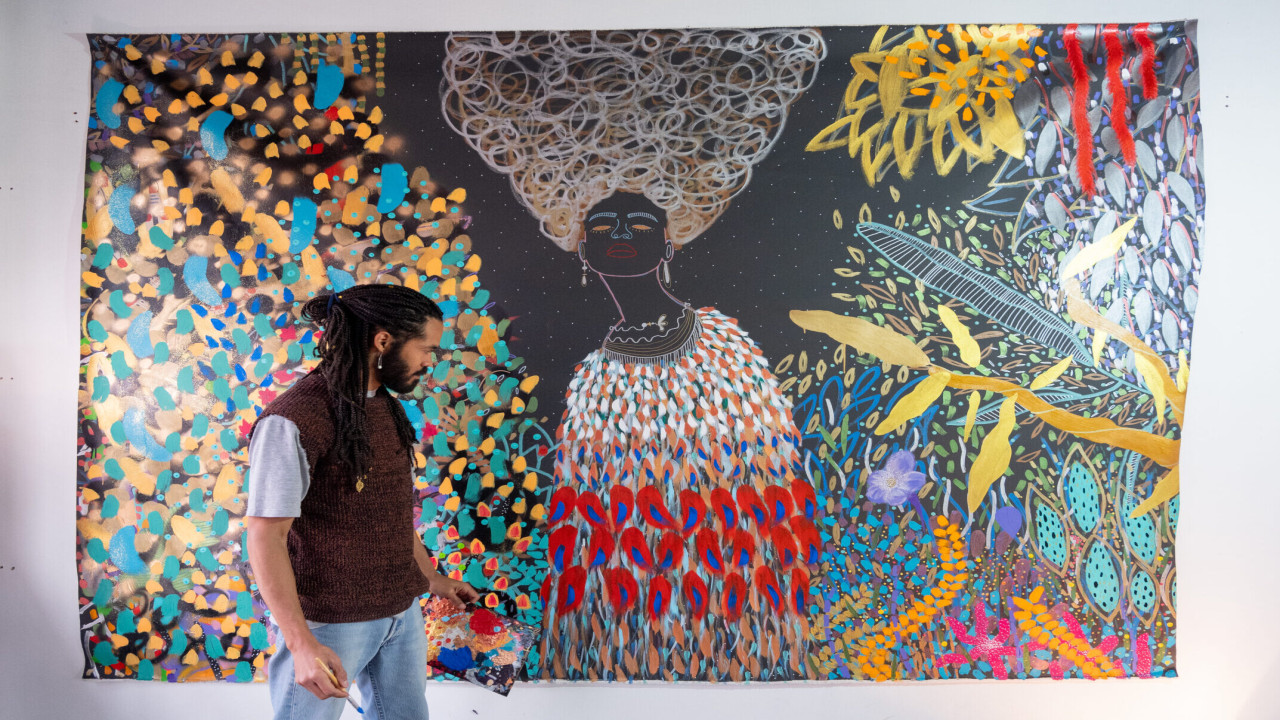
Art as Emotional Investment in 2026: Why People Buy What They Feel
In 2026, art is increasingly perceived as an emotional investment rather than a purely aesthetic or financial one. Buyers are guided by feeling, connection, and personal meaning, choosing artworks that resonate emotionally and reflect their inner world.
From Decoration to Emotional Value
Art is no longer selected only to match interiors. Collectors and everyday buyers seek pieces that evoke memories, emotions, and personal stories. Emotional resonance becomes a key factor in purchasing decisions.
Personal Connection Drives Demand
Artworks that feel intimate and relatable attract stronger engagement. Viewers want to see themselves, their experiences, or their values reflected in the art they choose to live with daily.
Art as a Source of Comfort and Identity
In uncertain times, art offers emotional stability. Pieces that provide calm, inspiration, or reassurance gain long-term value because they support emotional well-being and personal identity.
Long-Term Emotional Return
Unlike trends that fade quickly, emotionally meaningful art maintains relevance over time. Its value grows through lived experience rather than market speculation, creating lasting attachment.
Story and Intention Matter
Buyers increasingly care about the story behind the artwork. Knowing the artist’s intention, process, or personal journey enhances emotional connection and perceived value.
A New Definition of Worth
In 2026, the worth of art is defined less by status and more by impact. Emotional investment becomes a central metric—art is chosen not just to be seen, but to be felt.

Comments (0)
No comments found