

Art in the Digital Age: How Technology Is Transforming Creativity
The digital era has profoundly transformed the way art is created, shared, and experienced. Technology has expanded creative possibilities, allowing artists to explore new forms of expression that were unimaginable just a few decades ago.
The Rise of Digital Art
Digital tools have redefined artistic production. Graphic design software, tablets, and 3D modeling enable artists to create complex works with precision and flexibility. Digital art allows for experimentation without physical limits, encouraging innovation and rapid iteration.
Artificial Intelligence and Creativity
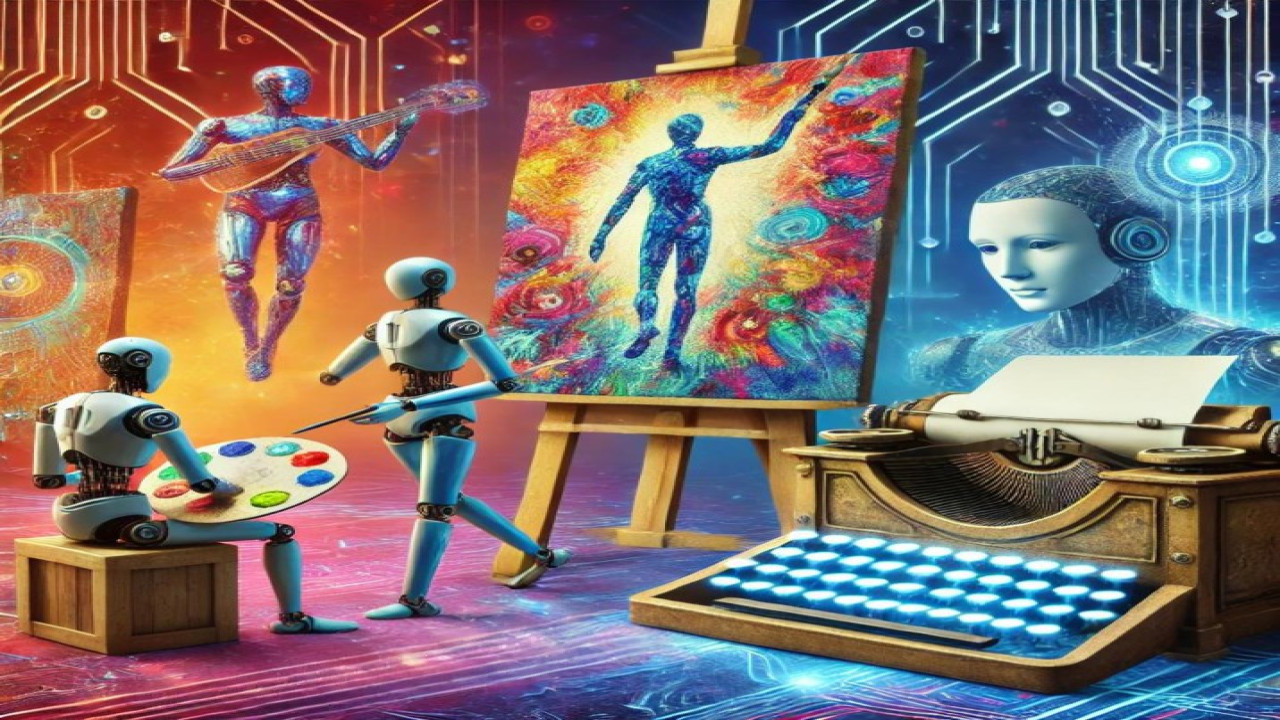
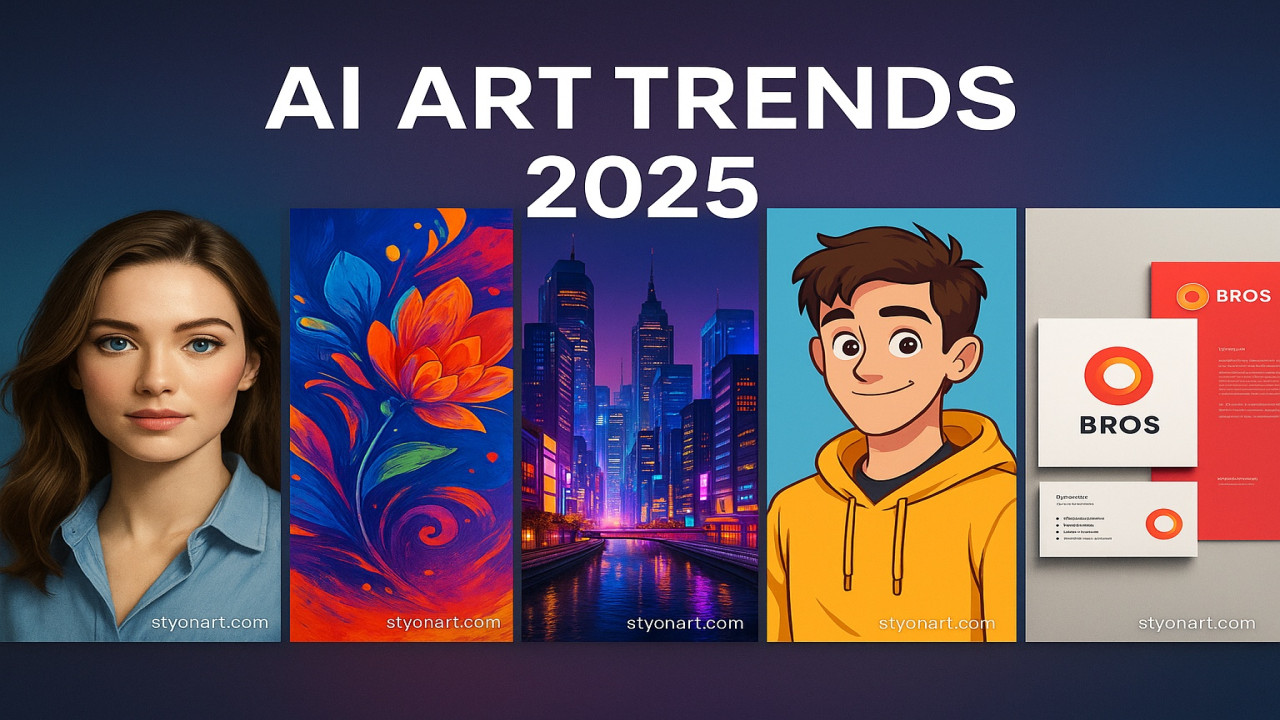
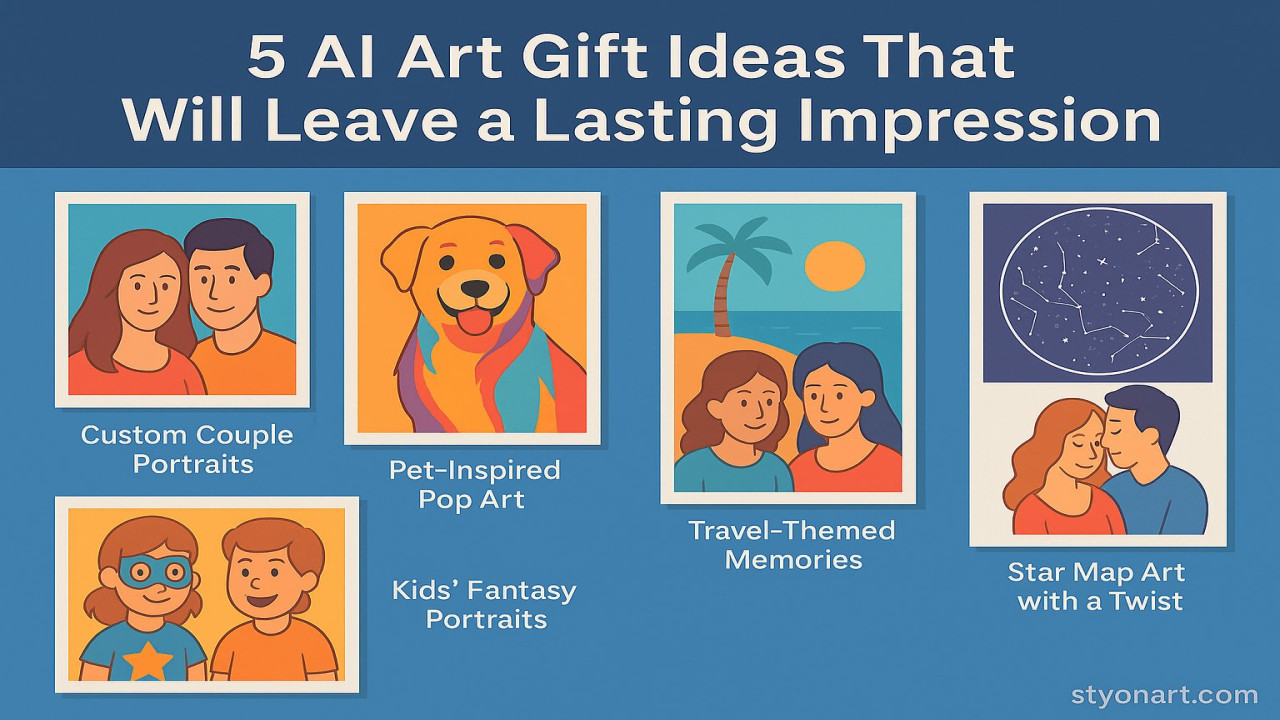
Artificial intelligence is becoming an active participant in the creative process. AI-generated images, music, and interactive experiences challenge traditional definitions of authorship and originality. Rather than replacing artists, AI often acts as a creative partner, enhancing imagination and efficiency.
Accessibility and Global Reach
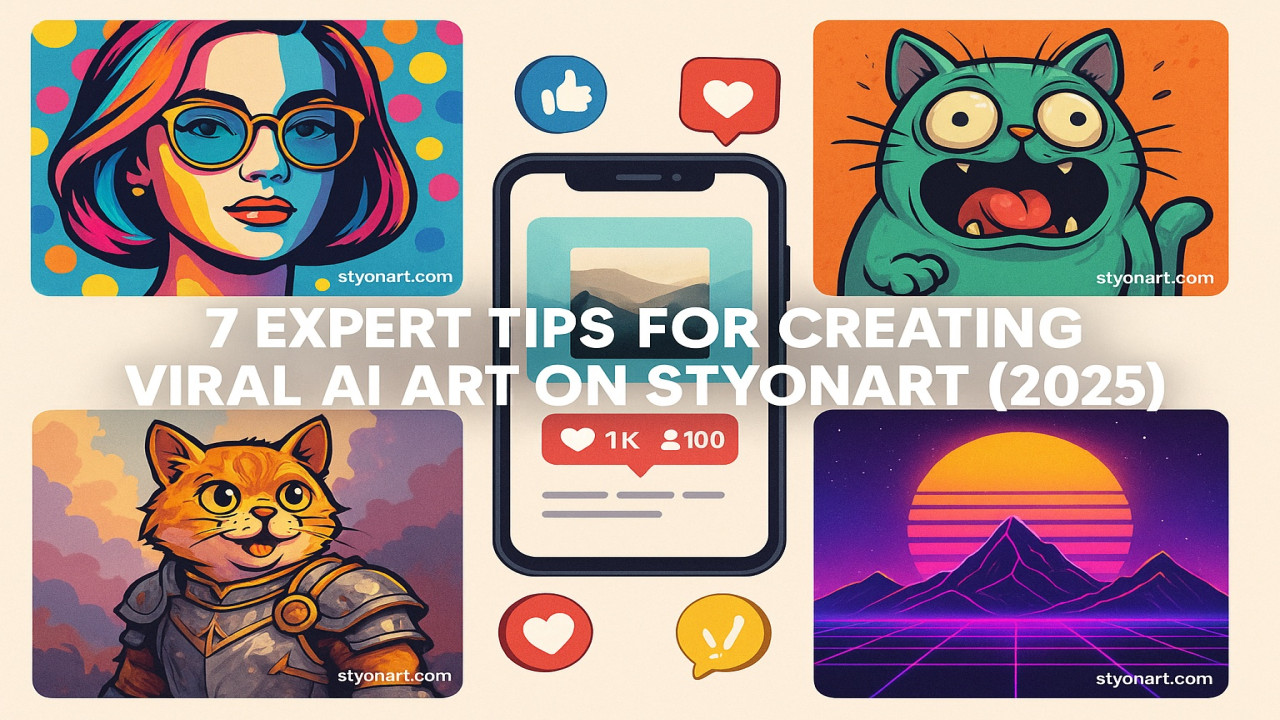
Technology has democratized art. Artists no longer depend solely on galleries or institutions to share their work. Social media platforms, online exhibitions, and digital marketplaces give creators global visibility and direct access to audiences worldwide.
New Forms of Interaction
Digital art invites participation. Virtual reality, augmented reality, and immersive installations allow viewers to interact with artworks in meaningful ways. This shift transforms the audience from passive observers into active participants.
Challenges and Ethical Questions
As technology advances, it raises important questions about ownership, authenticity, and value. Digital reproduction, NFTs, and AI-generated content challenge traditional economic and ethical frameworks in the art world.
The Future of Creativity
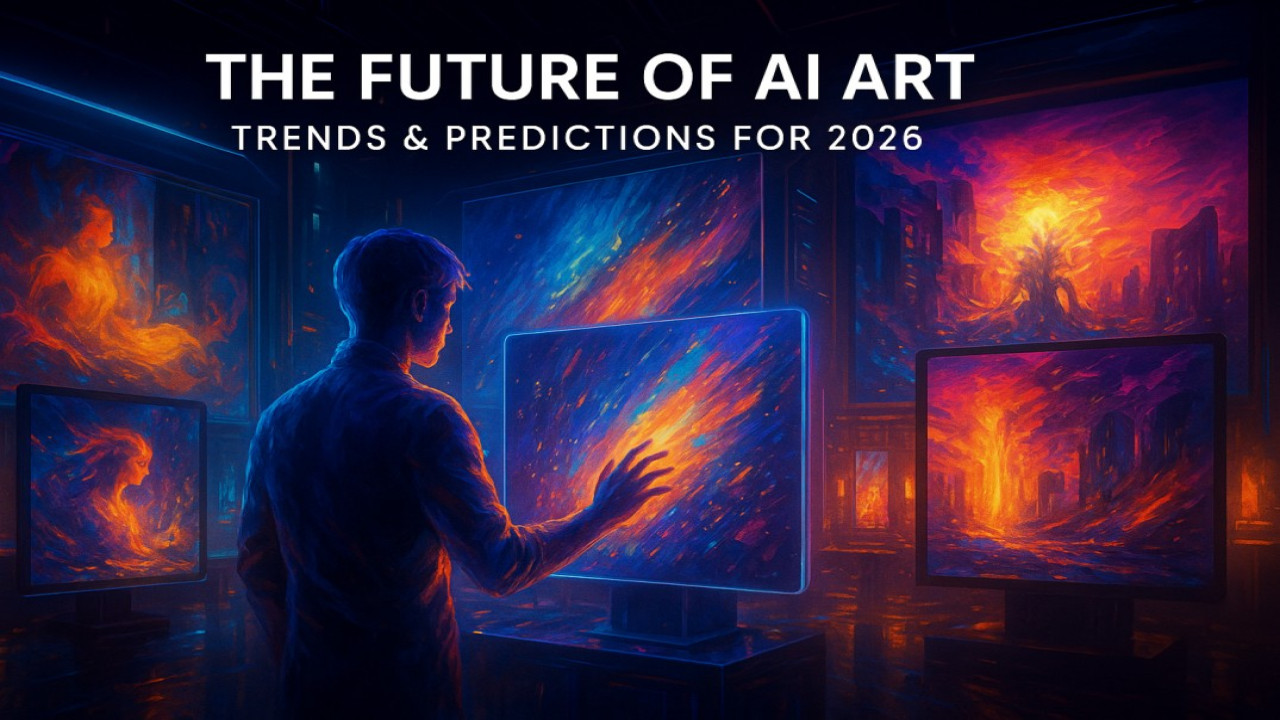
Art and technology will continue to evolve together. As tools become more sophisticated, creativity will expand rather than diminish. The digital age does not replace artistic expression—it redefines it, opening new paths for imagination and cultural dialogue.

Comments (0)
No comments found