
Hand-Drawn Revival in 2026: Why Imperfection Becomes the New Luxury
In a world dominated by digital perfection and automation, 2026 marks a strong return to hand-drawn art. Imperfection, texture, and visible human touch are becoming symbols of authenticity and emotional value.
The Return of the Human Hand
Hand-drawn art highlights the presence of the artist. Pencil lines, brush strokes, and irregular forms reveal the creative process, reminding viewers that a real human is behind the artwork. This honesty creates deeper emotional connection.
Imperfection as Artistic Value
What was once considered a flaw is now celebrated. Uneven lines, organic shapes, and raw textures add character and uniqueness. In 2026, imperfection becomes a sign of originality and craftsmanship.
Reaction to Digital Saturation
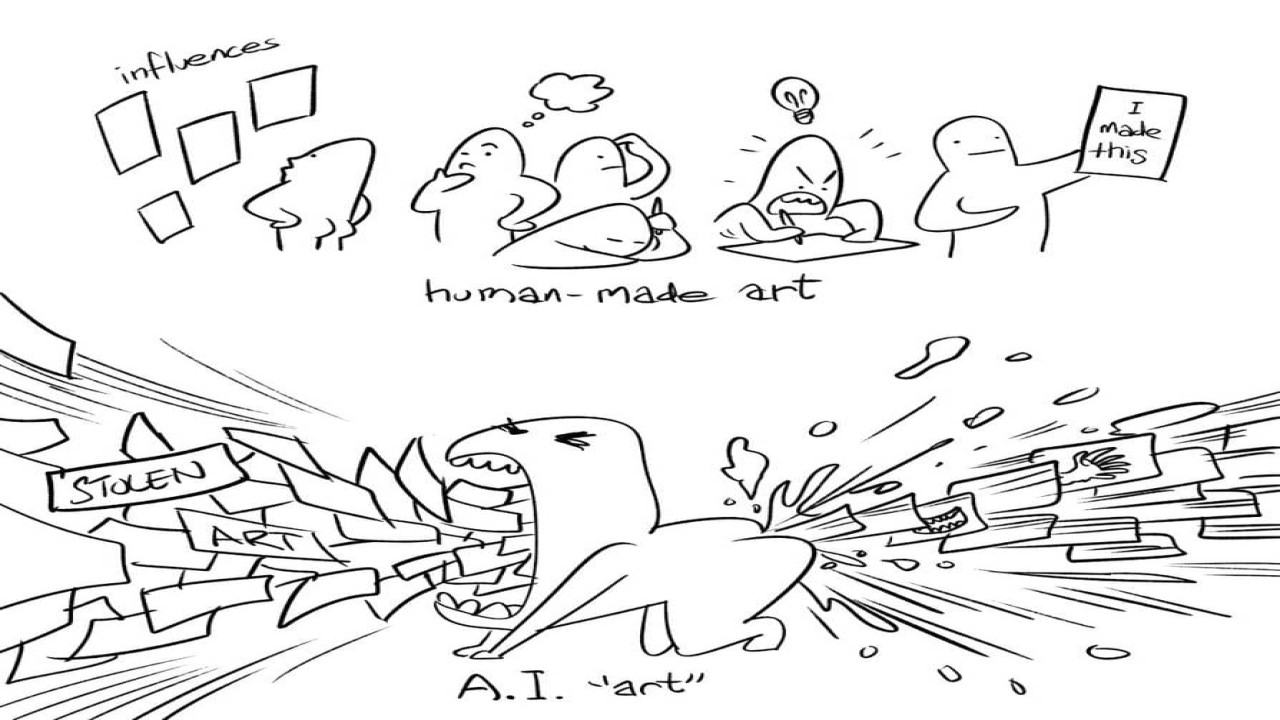
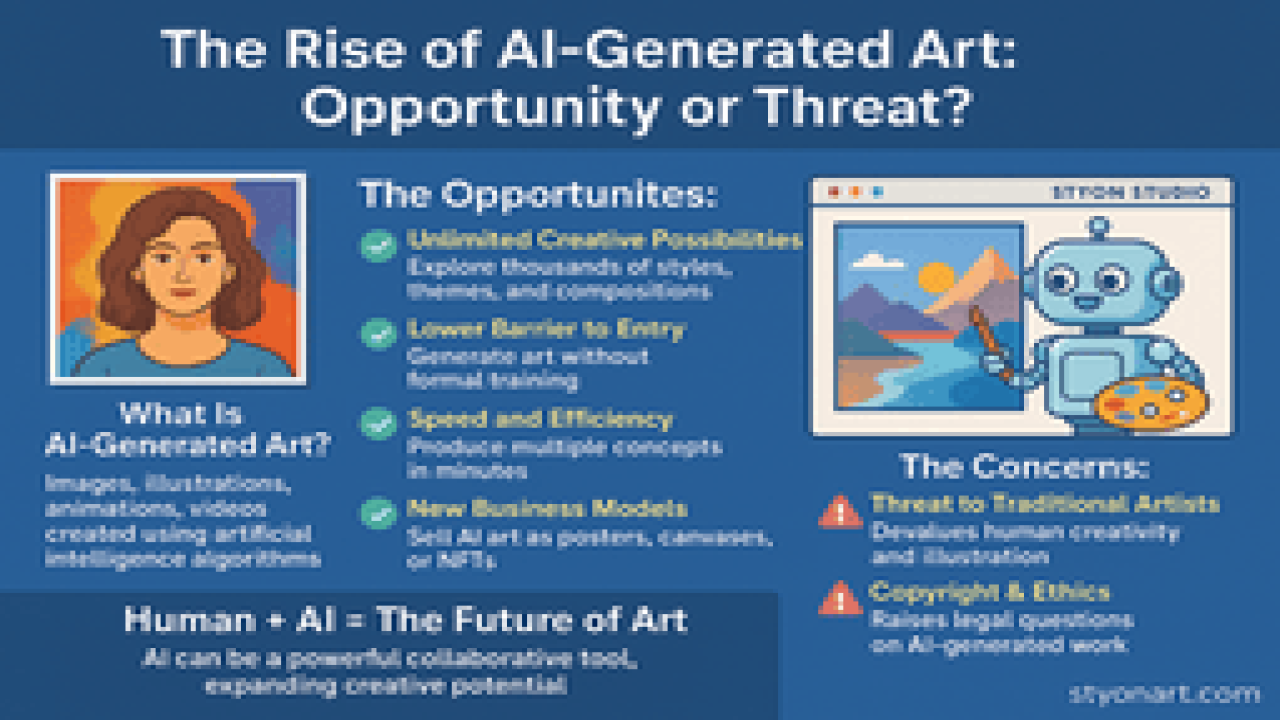
As AI-generated and hyper-polished visuals become widespread, audiences seek contrast. Hand-drawn art offers warmth, intimacy, and individuality—qualities often missing in mass-produced digital content.
Traditional Techniques, Modern Expression
Artists blend classic drawing techniques with contemporary themes. Ink, charcoal, watercolor, and sketching are used to explore modern identity, emotions, and social narratives, bridging tradition and innovation.
Handcrafted Aesthetics in Design and Art
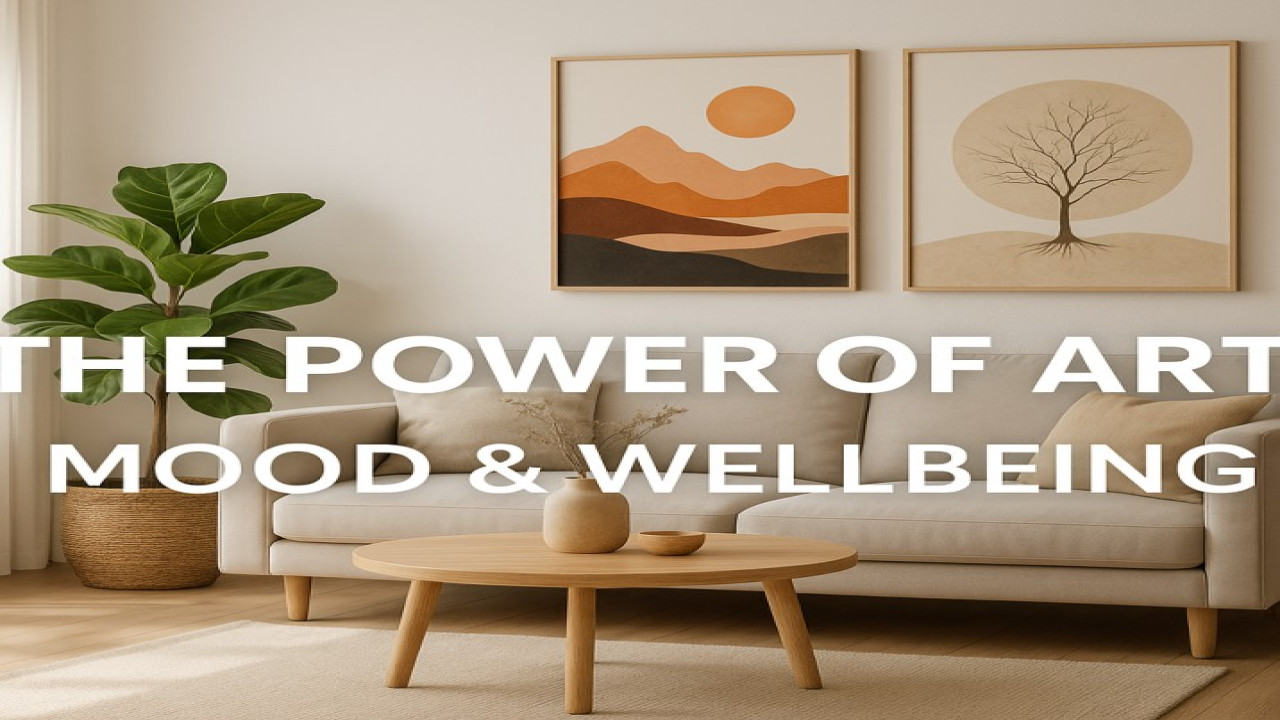
The hand-drawn revival extends beyond fine art into illustration, branding, and interior design. Sketch-based visuals convey trust, creativity, and personality, making them highly desirable in modern visual culture.
A Lasting Shift Toward Authenticity
The resurgence of hand-drawn art reflects a broader cultural movement. In 2026, audiences value sincerity, craftsmanship, and emotional depth—making the human touch more relevant than ever.

Comments (0)
No comments found