

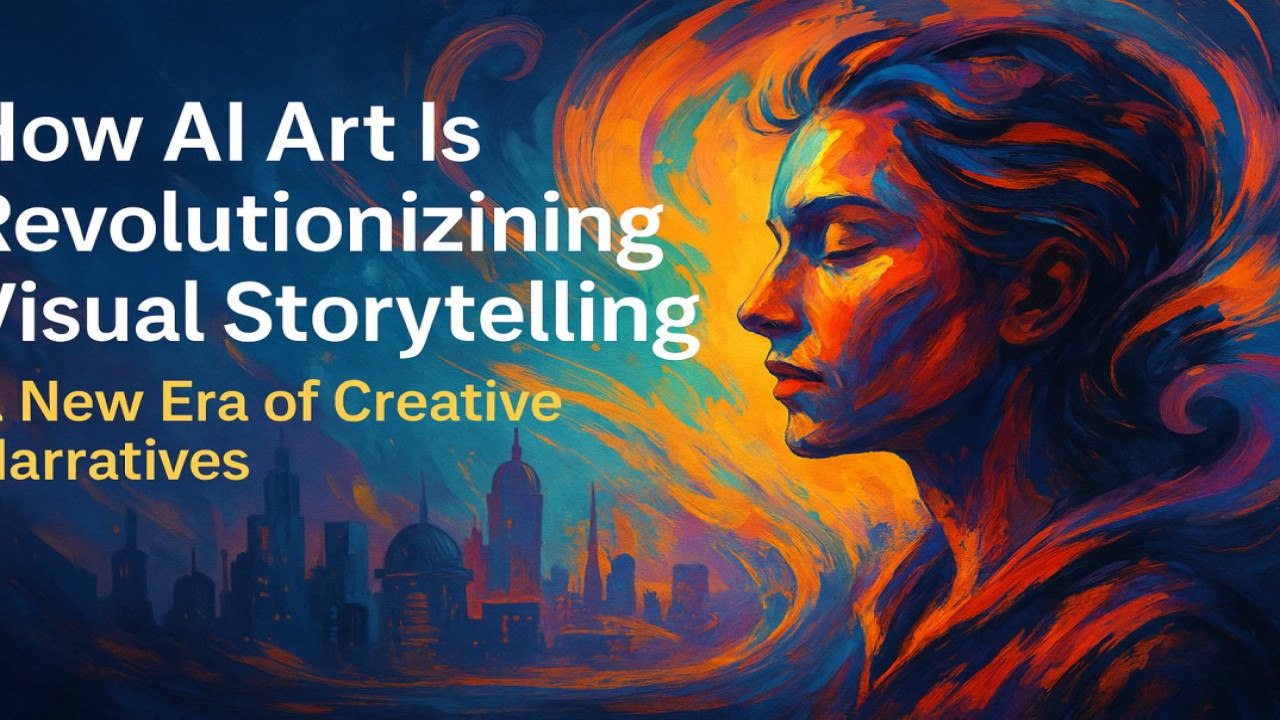
How AI Art Is Revolutionizing Visual Storytelling: A New Era of Creative Narratives
How AI Art Is Revolutionizing Visual Storytelling: A New Era of Creative Narratives
Storytelling has always been at the heart of human communication. From cave paintings to cinema, visuals have helped people share emotions, memories, and ideas. Today, artificial intelligence is taking visual storytelling to an entirely new level.
Platforms like StyonArt empower anyone to turn imagination into powerful visual narratives within seconds.
AI isn’t replacing storytellers —
it’s giving everyone the tools to become one.
The Power of Visual Narratives in the AI Era
AI-generated art allows people to express stories more vividly than ever before.
Whether it’s a memory, a dream, or a fictional world, AI can transform ideas into images instantly.
This changes storytelling by making it:
faster,
more expressive,
more accessible,
visually richer,
emotionally stronger.
From Words to Images: Turning Imagination Into Reality
One of AI's greatest strengths is transforming text descriptions into meaningful visuals.
With a simple prompt, people can create:
fantasy worlds,
emotional moments,
symbolic imagery,
cinematic scenes,
visual metaphors,
character-driven narratives.
This allows stories to be told in seconds rather than hours or days.
Storytelling for Everyone — Not Just Artists
Traditional storytelling through art required:
drawing skills,
time,
training,
access to artistic tools.
AI removes all these limitations.
Now, anyone can:
design characters,
illustrate scenes,
visualize emotions,
create story sequences,
build their own worlds.
AI democratizes storytelling, making it accessible to millions worldwide.
A New Tool for Writers, Filmmakers, and Creators
AI-generated visuals are becoming essential tools for:
authors (concept art for books),
filmmakers (storyboards),
game developers (world-building concepts),
marketers (campaign narratives),
educators (visual explanations),
influencers (story-based content).
These visuals help creators plan, experiment, and communicate ideas more clearly.
Emotional Storytelling Enhanced by AI
AI art makes emotions visible.
Users can illustrate:
love,
conflict,
hope,
transformation,
nostalgia,
mystery.
This deepens the emotional connection between the creator and the audience.
Cinematic Storytelling for Social Media
Platforms like TikTok, Instagram, and YouTube rely heavily on visuals.
AI art allows creators to:
build entire stories,
present character arcs,
illustrate fictional universes,
share emotional journeys,
create viral content.
Visual storytelling becomes more dynamic and personalized.
AI Storytelling in Education and Personal Development
Educators use AI visuals to teach:
historical events,
scientific processes,
cultural stories,
emotional intelligence.
Meanwhile, individuals use AI art for:
self-reflection,
personal growth,
therapy,
documenting life experiences.
Creativity becomes a tool for understanding oneself and the world.
The Future of Visual Storytelling With AI
In the coming years, AI will enable:
animated AI-driven narratives,
interactive story experiences,
real-time visual generation,
personalized story worlds based on user input,
mixed reality and virtual storytelling.
Human imagination will merge with AI capabilities, creating the richest storytelling era in history.
Conclusion
AI art is revolutionizing how people tell stories, making visual storytelling more accessible, emotional, and expressive than ever. Whether for personal projects, creative work, or professional storytelling, AI gives everyone the power to transform imagination into compelling visual narratives.
Platforms like StyonArt lead this transformation, helping creators bring their best stories to life.


Comments (0)
No comments found