
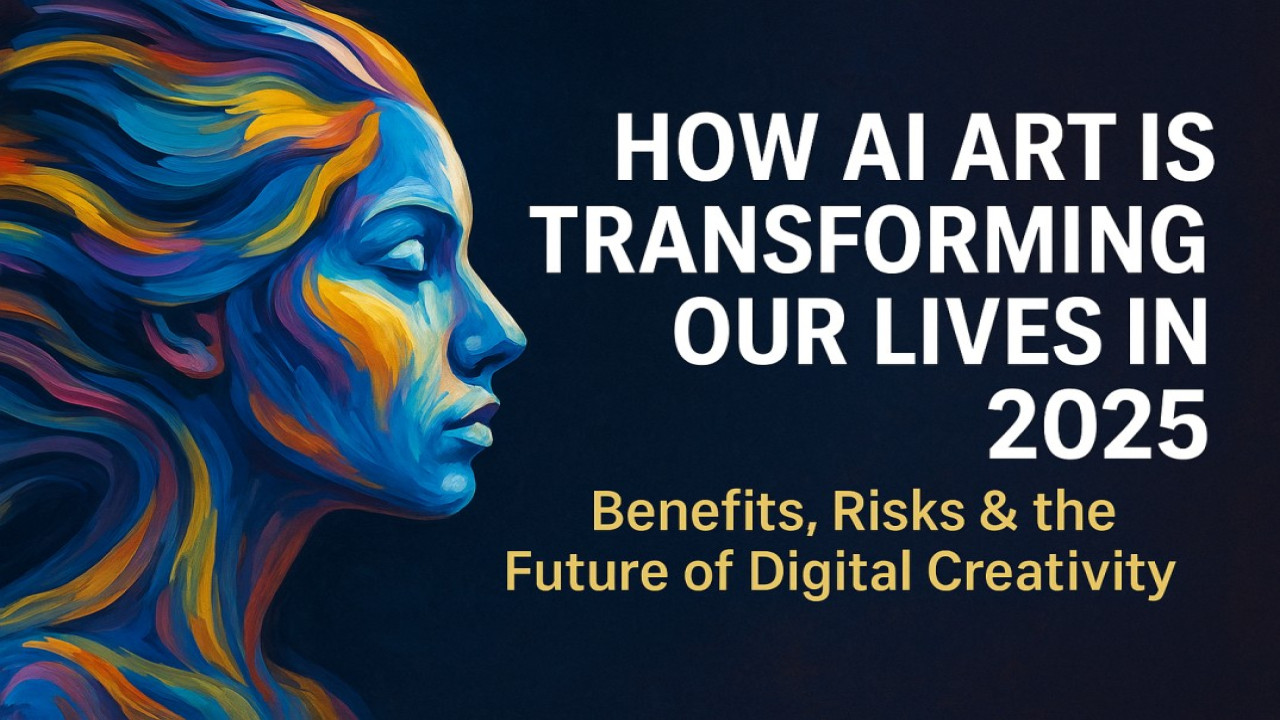
How AI Art Is Transforming Our Lives in 2025 – Benefits, Risks & the Future of Digital Creativity
Introduction
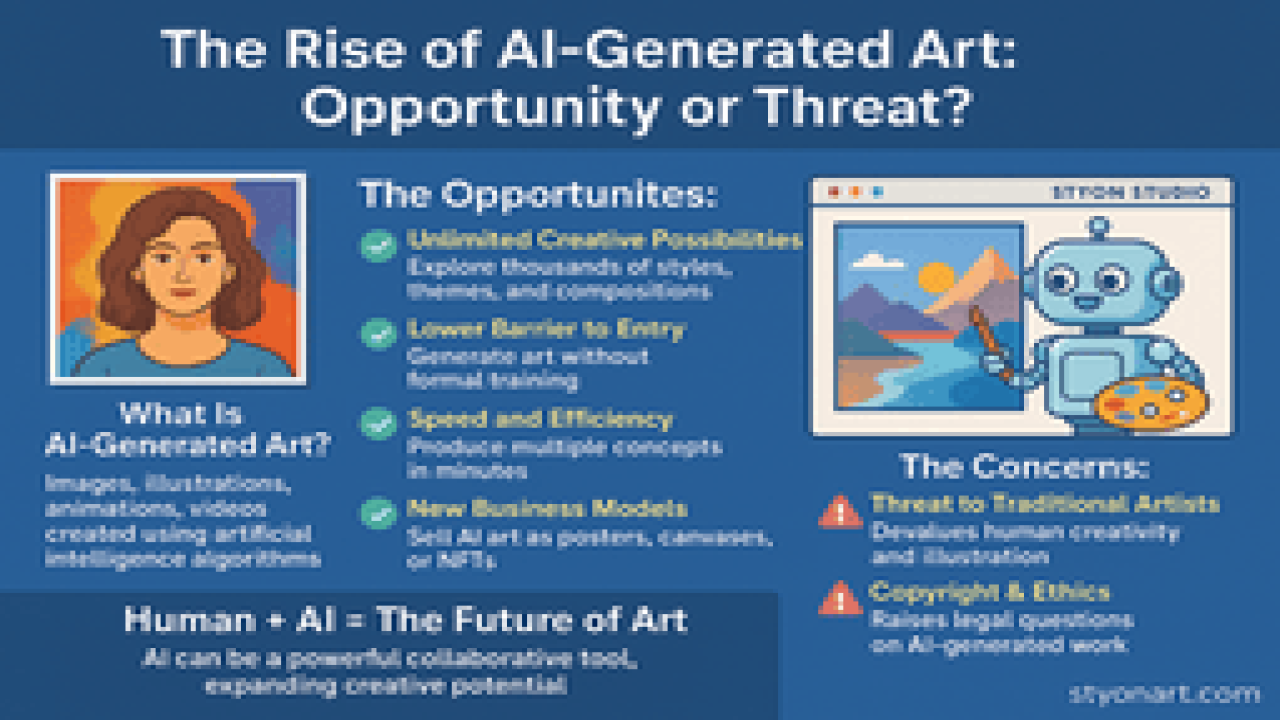
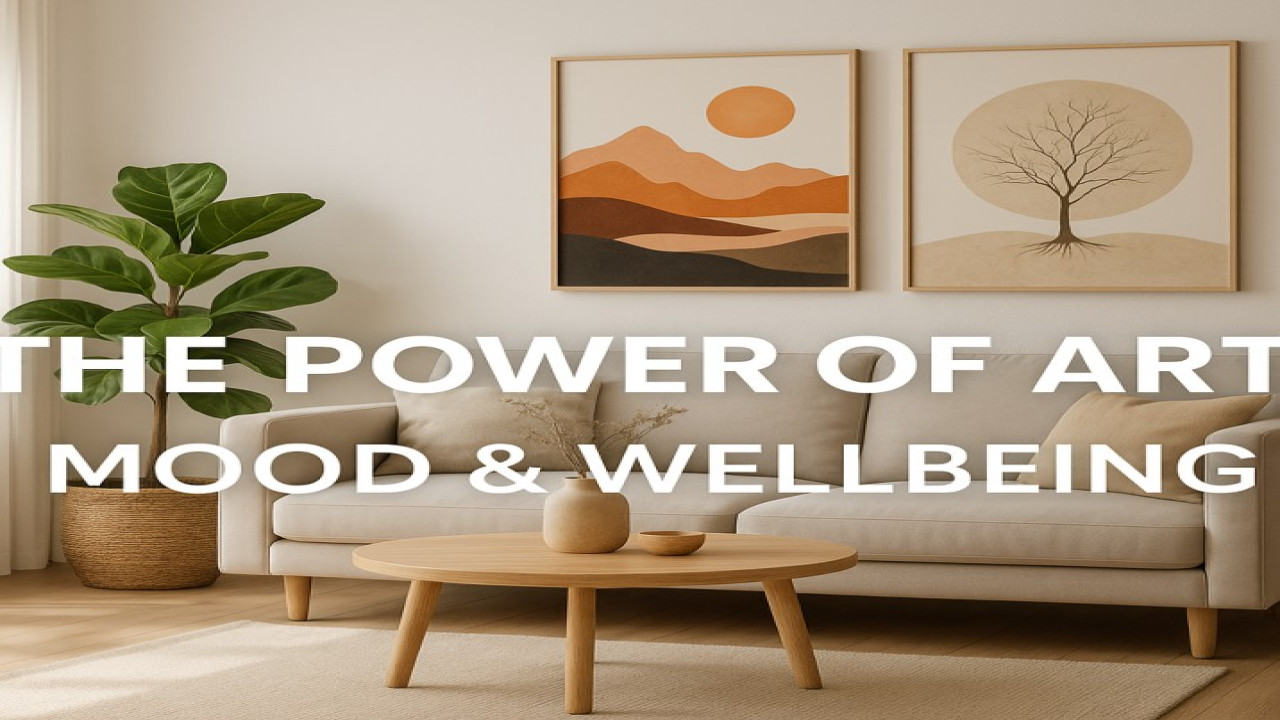
AI-generated art (AI Art) has become one of the most influential creative forces of the modern era. From personalized portraits to advanced visual concepts for brands, AI is redefining how we create, consume, and interact with art. In 2025, its impact is visible across education, marketing, design, entertainment, and even emotional well-being.
1. Creativity for everyone
One of the biggest advantages of AI Art is accessibility. People with no artistic background can now produce professional-looking artwork in seconds.
AI enables:
text-to-image generation,
image-to-image transformations,
artistic style applications,
fast creation of concepts and illustrations.
Creativity is no longer limited to trained artists—AI makes it universal.
2. Massive impact on creative industries
AI is revolutionizing the workflow of designers, studios, and brands by speeding up production and reducing costs. In many fields, AI shortens the creative process by 10× or more.
AI applications include:
advertising visuals,
concept art for games and films,
product and packaging design,
social media graphics,
branding and logo development.
AI doesn’t replace imagination—it enhances it.
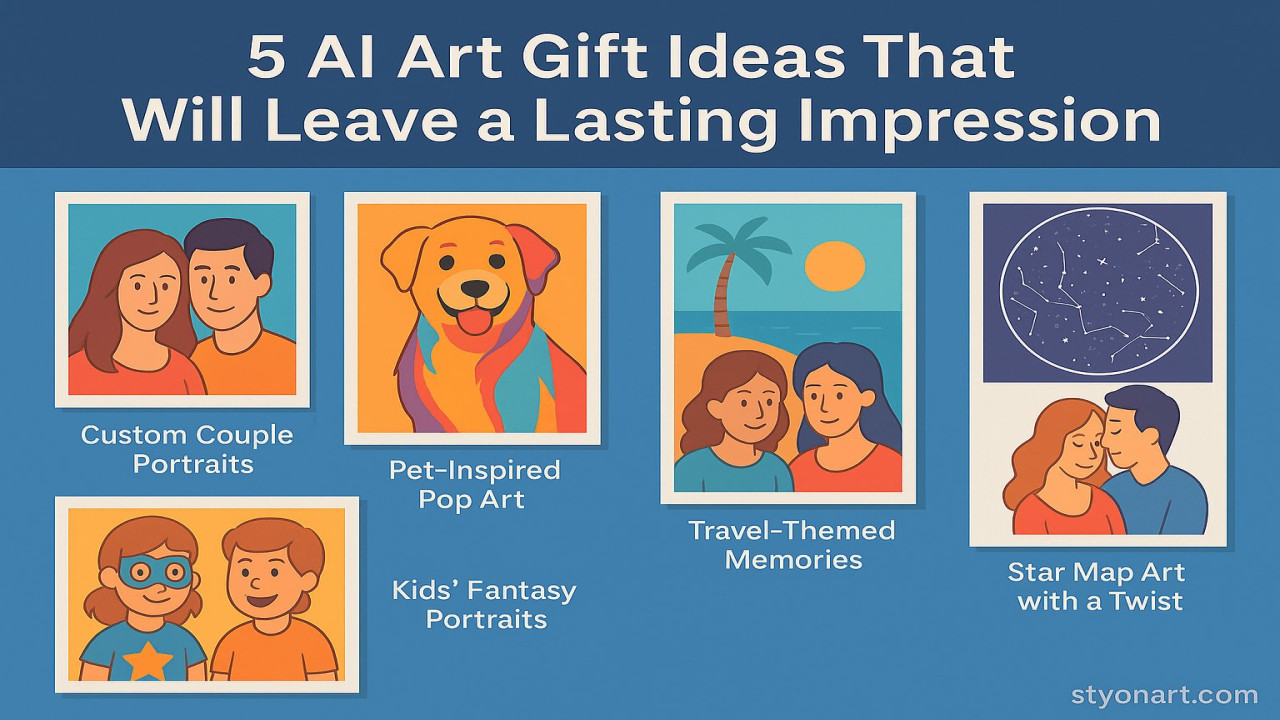
3. Hyper-personalization for gifts and memories
One of the strongest trends of 2025 is personalized AI Art—caricatures, pop-art portraits, modern illustrations, and custom canvases.
These artworks are popular because they:
express emotion,
are created from personal photos,
can be printed on canvas, posters or metal,
offer a unique and memorable gift experience.
AI is transforming the personalized gift industry into one of the fastest-growing creative markets.
4. AI Art in education and personal development
AI visual tools are increasingly used in schools and universities to explain complex concepts through images.
On a personal level, AI Art supports:
imagination and creative thinking,
emotional expression,
therapeutic visualization,
daily motivation through personalized art.
For many people, AI becomes a creative companion rather than a tool.
5. Challenges & ethical concerns
Like any major innovation, AI Art brings new challenges:
copyright and authorship debates,
fear of replacing traditional artists,
oversaturation of low-quality generated images,
ethical issues surrounding authenticity.
Despite these challenges, AI is not eliminating art—it is reshaping it.
Conclusion
AI Art represents a global creative revolution. It expands freedom, boosts productivity, and opens new artistic possibilities. From marketing visuals to personalized gifts, AI influences how we create and connect with art every day.
The future of art is not AI versus humans, but AI and humans working together.

Comments (0)
No comments found