
How AI Art Supports Mental Health: Creativity as a Tool for Healing
How AI Art Supports Mental Health: Creativity as a Tool for Healing
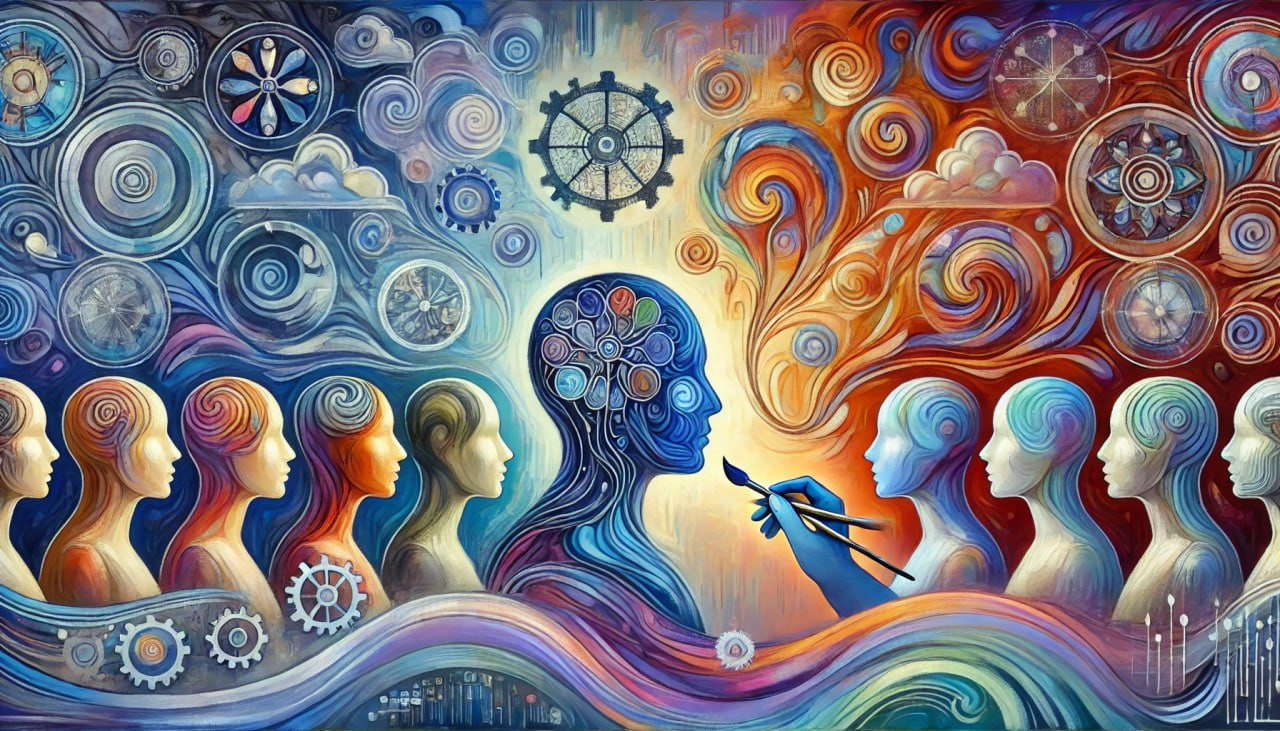
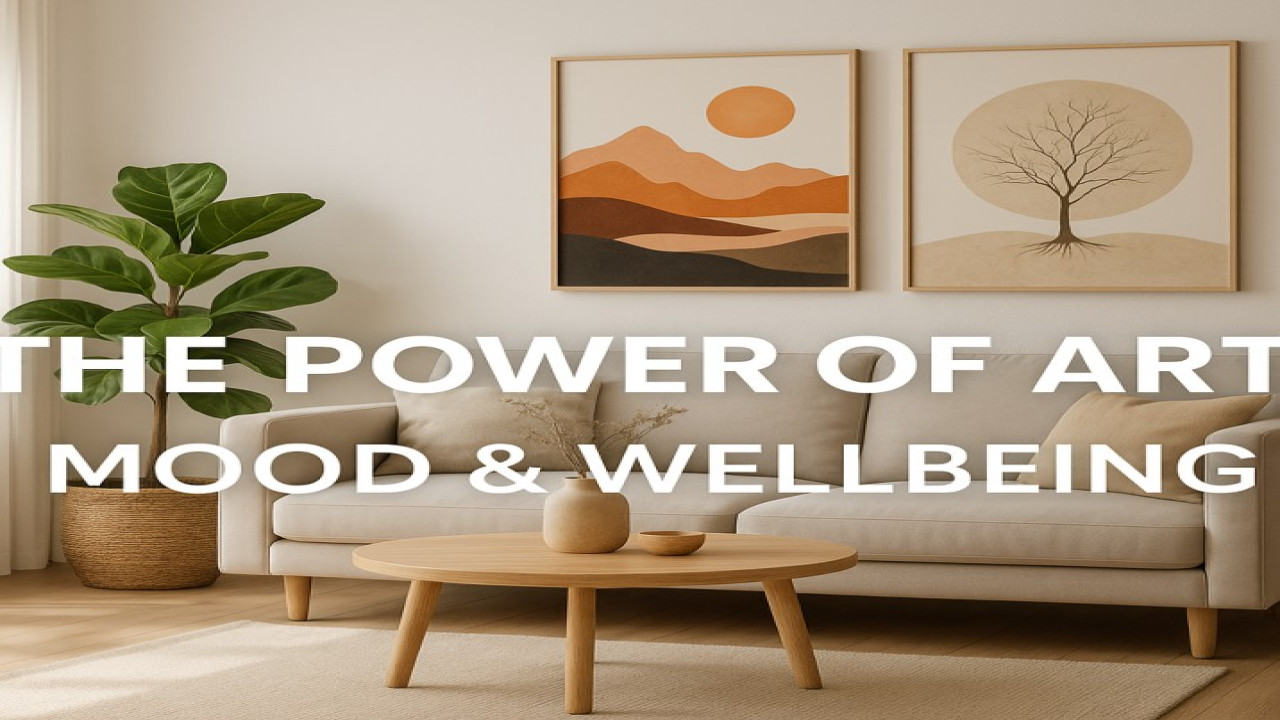
In a world where stress, anxiety, and emotional overload have become everyday challenges, creativity plays a powerful role in restoring balance. AI-generated art is emerging as a unique form of digital therapy—accessible, expressive, and deeply personal. Platforms like StyonArt make it easier than ever for people to use creativity as a healing tool.
AI art doesn’t just create images.
It creates emotional relief.
The Healing Power of Creativity
For decades, psychologists have acknowledged that creative activities help:
calm the mind,
reduce stress,
increase focus,
and improve emotional resilience.
AI art brings these benefits to anyone, anywhere—no artistic skills required.
Accessibility: Mental Wellness for Everyone
Traditional art therapy can feel intimidating:
“What if I am not good at drawing?”
AI removes this fear completely.
With a simple description, users can:
visualize emotions,
express inner thoughts,
transform feelings into images,
experiment without judgement or pressure.
This accessibility makes emotional expression easier for people who struggle to verbalize their feelings.
A Safe Creative Space for Processing Emotions
AI art creates a space where users feel free to explore:
sadness,
joy,
anxiety,
confidence,
memories,
hopes,
dreams.
By translating emotions into images, people gain clarity and a deeper understanding of themselves.
Creating art becomes an act of emotional self-care.
Reducing Stress Through Flow and Mindfulness
The act of generating art with AI triggers a “creative flow state”—a moment where the mind becomes fully absorbed in a calming activity.
This leads to:
reduced cortisol (the stress hormone),
improved relaxation,
focused attention,
mental quietness,
increased dopamine (the reward chemical).
Even short sessions of AI art can have noticeable mental benefits.
Building Confidence and Emotional Agency
AI art allows people to see their imagination come to life.
This empowers them with:
confidence,
a sense of control,
the belief that they can create beautiful things.
This emotional empowerment plays a major role in overcoming feelings of inadequacy and creative fear.
AI Art in Emotional Therapy and Coaching
Modern therapists and coaches have begun using AI art to help clients:
visualize difficult emotions,
externalize inner conflicts,
create symbolic representations of goals,
confront fears in a safe way,
express trauma indirectly,
generate positive imagery for healing.
AI becomes a bridge between internal experience and external clarity.
A Tool for Daily Emotional Regulation
People are increasingly using AI art as part of their wellness routines:
morning creativity sessions,
evening relaxation prompts,
mood visualization exercises,
gratitude-themed artwork,
stress-release imagery,
affirmations turned into art.
These small habits lead to long-term emotional improvements.
Connecting Through Creativity
Sharing AI art with others fosters:
connection,
empathy,
inspiration,
and emotional support.
Community-driven creativity—like future galleries on StyonArt—helps people feel seen and understood.
Conclusion
AI art is more than a technological innovation—it is a new path to emotional well-being. By making creativity accessible, non-judgmental, and deeply expressive, AI empowers people to heal, grow, and reconnect with themselves. Platforms like StyonArt help transform digital imagination into a meaningful tool for mental health and emotional balance.
Comments (0)
No comments found