
How AI Art Supports Mental Health: Creativity, Expression, and Emotional Healing
How AI Art Supports Mental Health: Creativity, Expression, and Emotional Healing
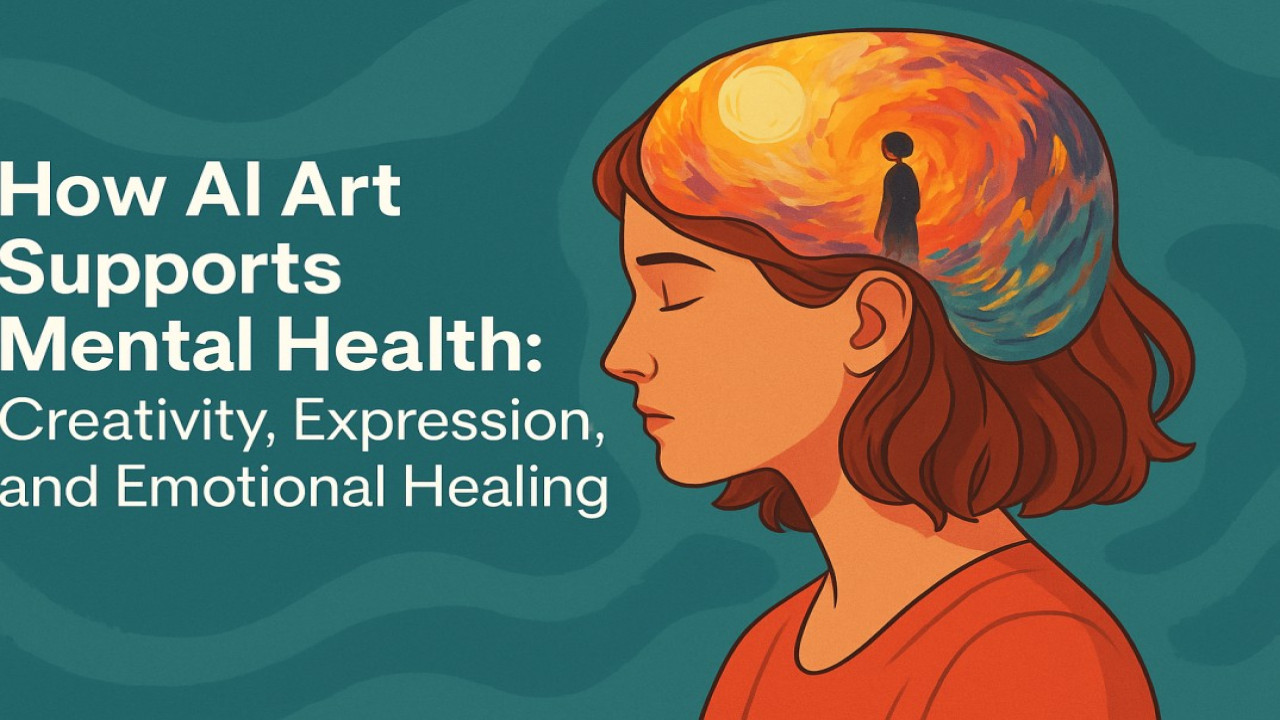
Mental health is becoming a central topic in modern society. As stress, anxiety, and emotional challenges continue to rise, people are searching for new ways to express themselves and find relief. AI-generated art is emerging as an accessible and powerful tool for emotional wellness, helping individuals process feelings through creativity and self-expression.
Platforms like StyonArt offer a safe, creative space for people to explore emotions visually—even if they have no artistic experience.
AI doesn’t heal by itself —
it helps people heal through expression.
1. A Safe Way to Express Emotions
Many people struggle to express their feelings verbally.
AI art allows them to:
visualize emotions,
translate inner thoughts into images,
externalize pain or stress,
create symbolic representations of their experiences.
This emotional release is often the first step toward healing.
2. Reducing Stress Through Creative Flow
Creating art—AI-assisted or otherwise—activates:
relaxation responses,
mindfulness,
emotional focus,
reduced anxiety.
AI makes creativity accessible without pressure, allowing people to enjoy the therapeutic process instead of worrying about artistic skills.
3. Helping People Understand Their Inner World
AI-generated visuals can help individuals:
explore personal identity,
understand emotional patterns,
visualize trauma or growth,
create metaphors for feelings.
These images often reveal insights that words alone cannot express.
4. Boosting Self-Esteem and Confidence
Seeing one’s emotions transformed into beautiful art can help:
build self-worth,
promote positive self-image,
inspire confidence,
reinforce a sense of identity.
AI enables everyone to create art they can be proud of.
5. Perfect for Journaling and Self-Reflection
AI art can be used alongside:
mood journals,
therapy prompts,
personal storytelling,
daily reflections,
intention setting.
Visual journaling deepens awareness and emotional understanding.
6. Supporting Therapists and Counselors
Therapists can use AI visuals to:
illustrate emotional concepts,
help clients express difficult experiences,
create therapeutic prompts,
build rapport through creativity.
AI becomes a supportive tool—not a replacement—for human therapy.
7. Making Mental Health Support More Accessible
Not everyone has access to art therapy or professional counseling.
AI art provides:
free emotional expression,
easy creative exploration,
non-judgmental self-reflection.
This can supplement mental health care for people who need affordable and accessible tools.
8. Encouraging Positive Visualization
AI helps users create:
calming landscapes,
uplifting imagery,
visions of goals and dreams,
symbolic representations of healing.
Positive visualization reduces stress and strengthens emotional resilience.
9. The Future of AI and Mental Wellness
Soon, AI will enable:
personalized emotional art generators,
guided therapeutic sessions with visuals,
AI-powered emotional journals,
mood-aware artistic suggestions,
immersive mental wellness experiences.
The connection between AI and emotional health will continue to grow.
Conclusion
AI art supports mental health by offering a safe, creative, and accessible way for people to express emotions, reduce stress, and explore their inner world. It empowers individuals to connect with their feelings visually and promotes emotional well-being.
Platforms like StyonArt help make this kind of creative healing available to everyone.

Comments (0)
No comments found