
How AI Is Redefining Modern Creativity: Human Imagination in the Age of Algorithms
Introduction
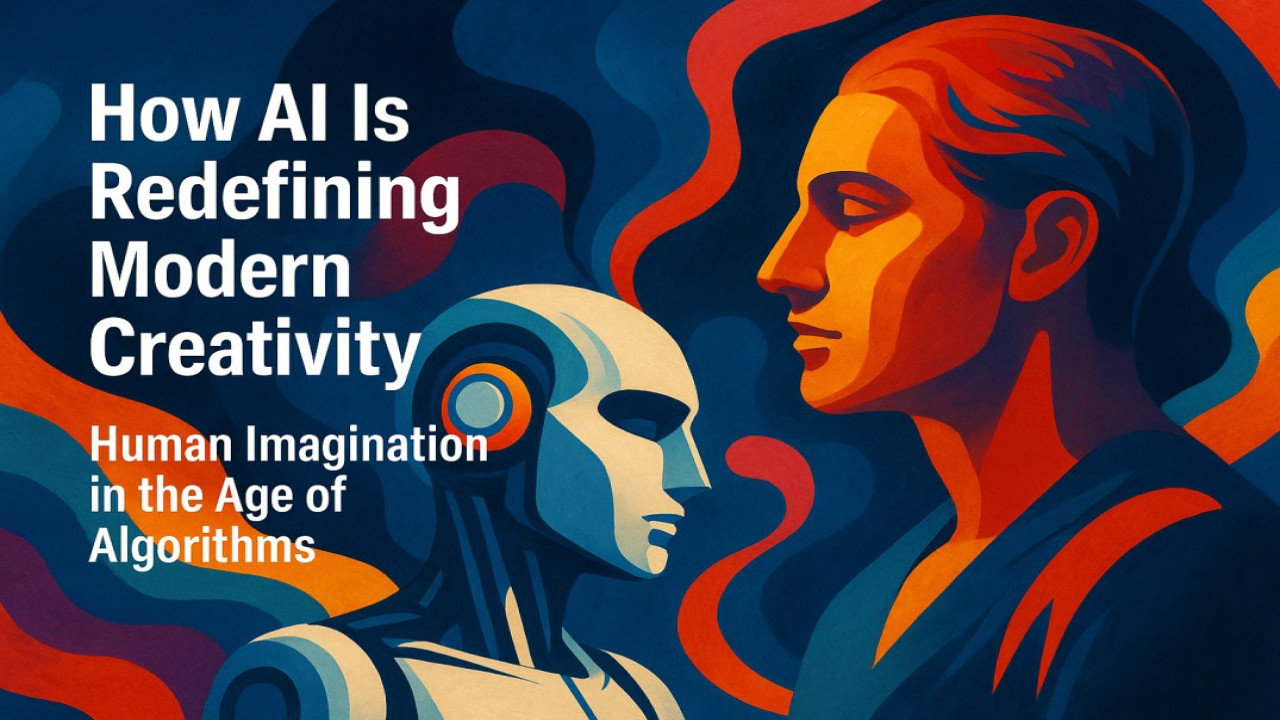
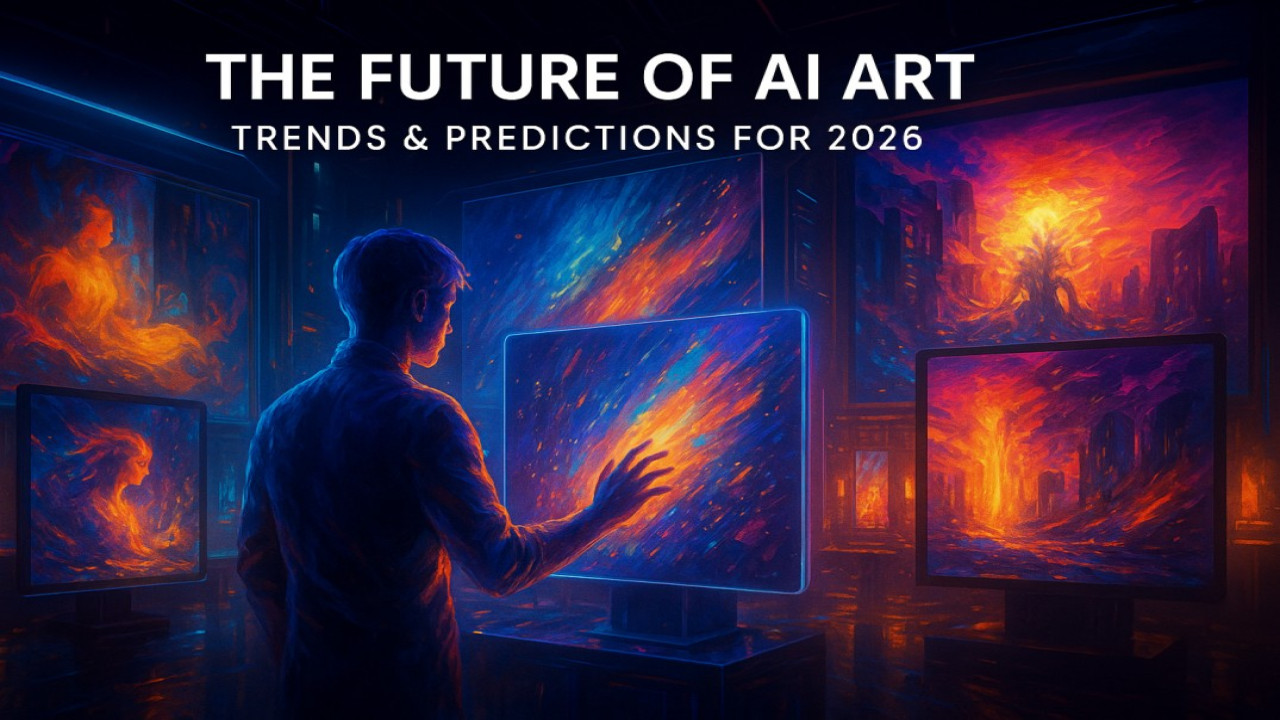
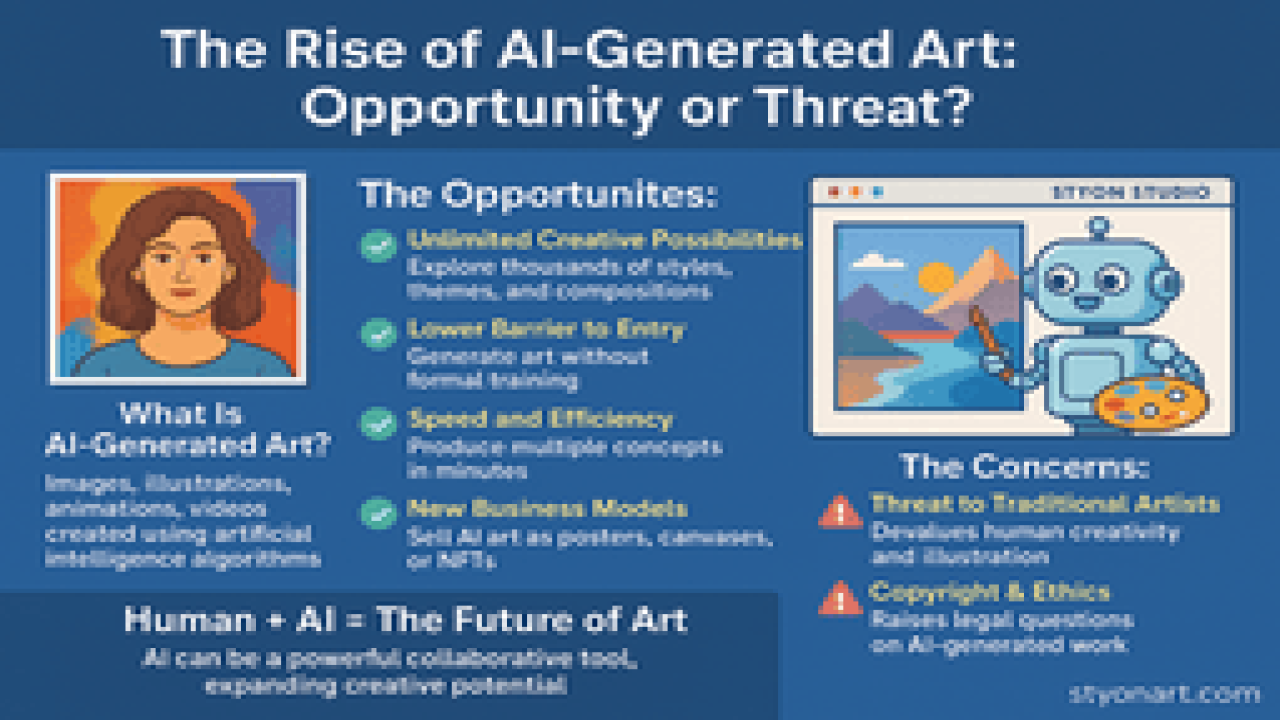
Creativity is no longer just a human ability — it has evolved into a collaboration between people and intelligent machines. AI is expanding the boundaries of imagination, enabling faster artistic exploration, personalized design, and entirely new visual styles. This article explores how AI is redefining creativity today and what it means for the future of art and self-expression.
1. Creativity becomes accessible to everyone
AI has removed traditional barriers to creativity.
Now anyone can:
transform ideas into visuals,
generate illustrations without artistic training,
explore multiple concepts instantly,
create custom designs for personal or business use.
This democratization allows more people to participate in the creative process, turning imagination into reality within seconds.
2. AI enhances—not replaces—human imagination
Despite fears that AI will replace artists, the opposite is happening.
AI acts as a creative amplifier, helping people:
explore new styles,
experiment with bold ideas,
visualize abstract concepts,
overcome creative blocks.
Humans provide emotion, context and vision — AI brings speed, detail and endless variation.
The result: a new hybrid form of creativity that’s more powerful than either alone.
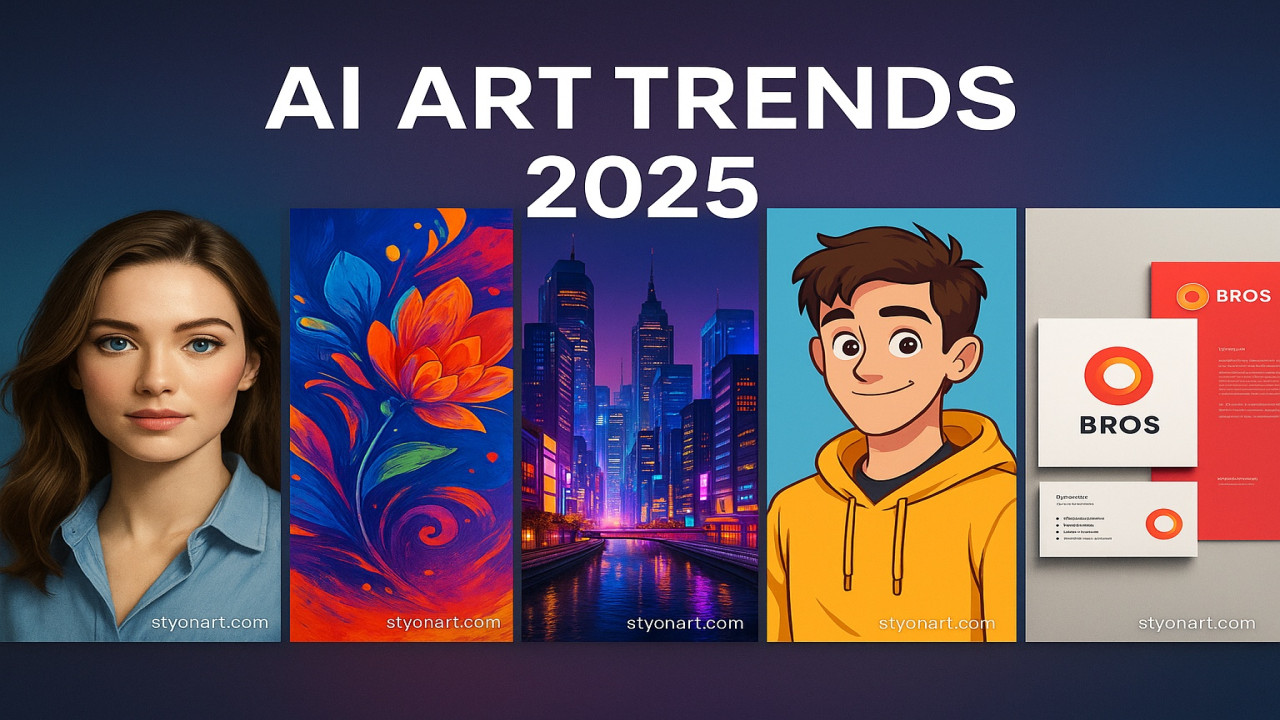
3. The rise of AI-native art styles
Just as photography introduced its own aesthetics, AI is producing styles that cannot be achieved through traditional mediums.
Examples include:
fluid morphing art,
high-detail surrealism,
algorithmic abstraction,
hyperreal dreamscapes,
hybrid portrait styles.
These AI-native visuals are shaping modern design trends across social media, advertising and entertainment.
4. Rapid idea exploration for artists and designers
Artists no longer need hours to test new ideas. AI supports:
fast concept generation,
color palette experimentation,
composition variations,
style mixing and transformation,
character and scene development.
This speeds up workflows in illustration, fashion, branding, architecture and product design.
5. Emotional power through personalization
AI makes creativity more personal than ever.
People can generate:
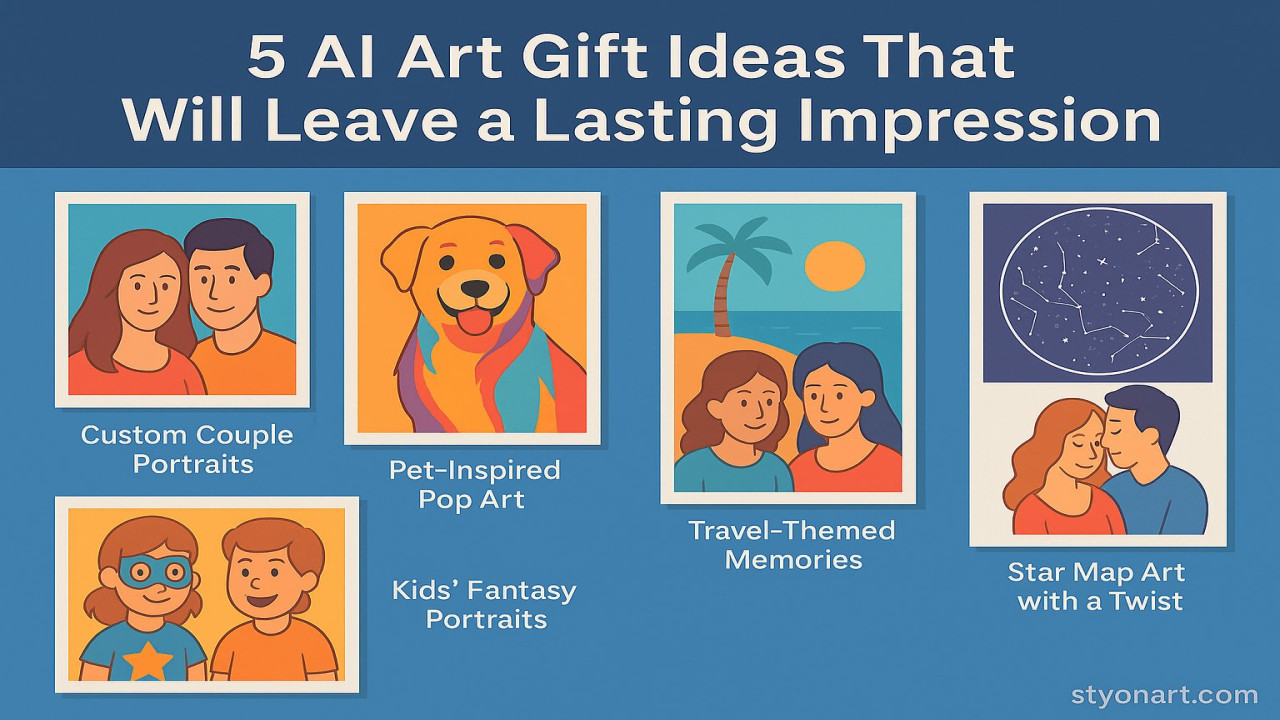
portraits that express identity,
artworks based on memories or emotions,
customized designs for gifts or decor,
visual representations of dreams or goals.
This emotional connection makes AI-generated art meaningful and deeply engaging.
6. Collaboration as the new creative model
In the past, creativity was a solo process. Today, it’s a partnership.
Humans + AI collaborate by:
giving prompts and direction,
selecting preferred variations,
fine-tuning details,
blending human emotion with digital precision.
This co-creation model is shaping the growth of platforms like STYON Art, where users can turn AI-generated ideas into premium physical products.
Conclusion
AI is not here to replace creativity — it is redefining it.
It expands imagination, unlocks new artistic possibilities, and empowers everyone to become a creator. In the age of algorithms, human vision remains at the center, while AI serves as a powerful tool that transforms ideas into art faster and more beautifully than ever before.
The future of creativity is human emotion enhanced by intelligent technology.

Comments (0)
No comments found