


How Brands Use AI Art to Increase Sales in 2025 – Strategies, Trends & Real Results
Introduction
In 2025, AI-generated art has become one of the most powerful tools for brand growth. From personalized visual campaigns to product design and social media content, companies of all sizes are using AI to increase engagement, reduce costs, and improve sales performance. This article explores how modern brands leverage AI Art—and why it works so well.
1. Faster content creation at lower cost
Brands need a constant flow of visuals: ads, social posts, banners, videos, product shots, thumbnails, and more.
AI dramatically accelerates this process by generating:
multiple concepts in seconds,
variations for A/B testing,
high-quality visuals without photo shoots,
design assets for campaigns and websites.
This reduces production time from days to minutes, increasing marketing speed and reducing costs by up to 70%.
2. Hyper-personalized marketing
One of the most profitable uses of AI Art is personalization.
Brands can now create visuals that adapt to:
customer interests,
browsing behavior,
location or demographic,
past purchases,
seasonal trends.
Examples:
personalized ads showing a product in a style the user likes,
custom product visuals for each customer,
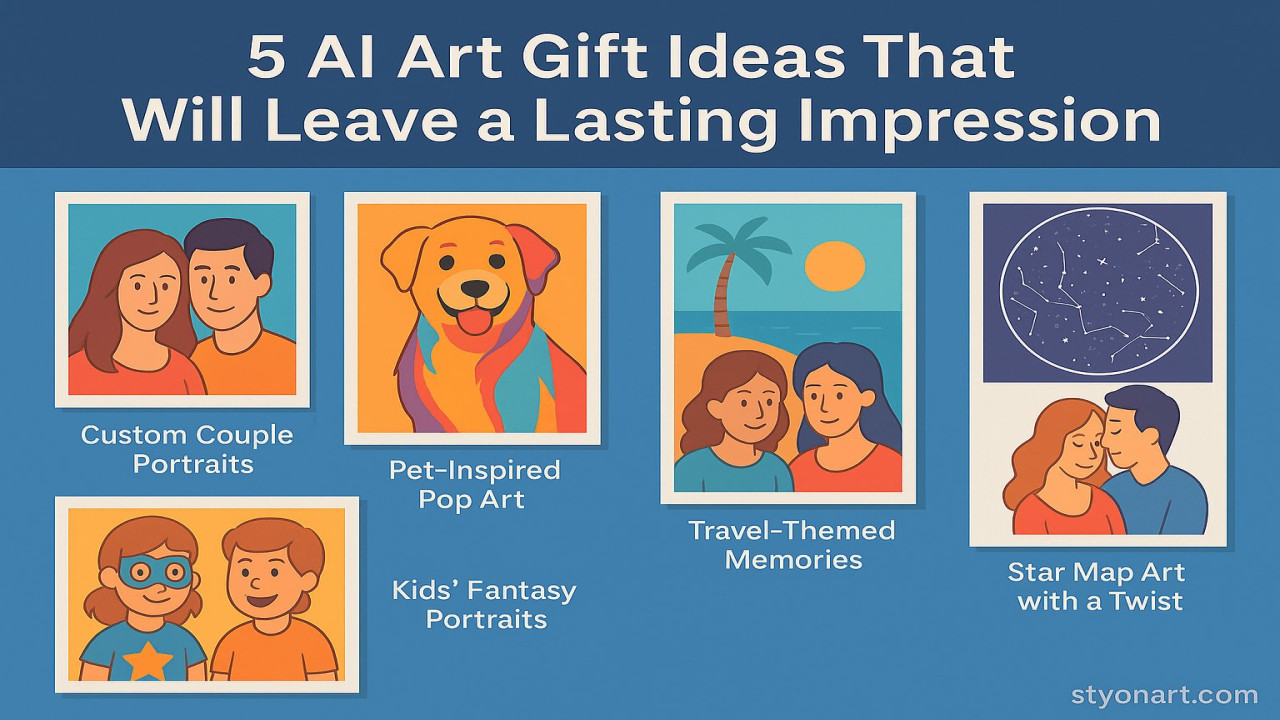
AI-generated portraits or caricatures included in offers.
Personalized content typically brings 3–5× higher conversion rates.
3. Viral social media visuals
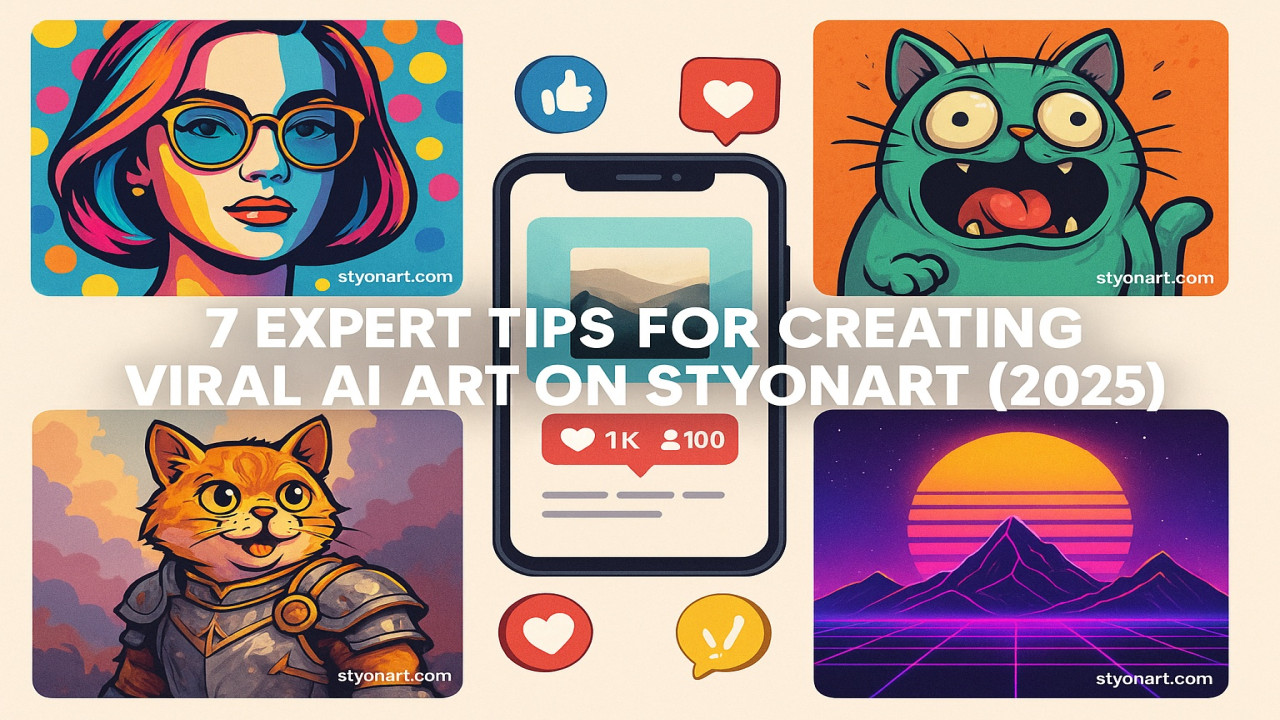
AI Art has revolutionized how brands stand out on platforms like TikTok, Instagram, and Facebook. Eye-catching AI-generated visuals:
attract more attention,
increase shares,
boost engagement,
make ads more memorable,
create emotional connections with audiences.
Brands using AI art in their social content report a 40–60% increase in organic reach, especially when adding dynamic, creative or humorous elements.
4. Better product visualization and mockups
Product-based brands benefit enormously from AI Art because it can generate:
product mockups,
packaging concepts,
lifestyle scenes,
3D-style visuals,
futuristic designs.
No physical prototypes needed.
This helps companies test ideas before production and present premium images that increase perceived value—even before the product exists.
5. Emotional storytelling with AI Art
Customers don’t just buy products—they buy feelings.
AI helps brands build emotional stories:
a product placed in a dream setting,
AI-generated scenes that evoke nostalgia or excitement,
illustrations that represent the customer’s identity,
personalized artwork as part of the buying experience.
Emotional visuals increase brand loyalty and repeat purchases.
6. Enhanced branding and identity
AI enables brands to create consistent visual identities through:
custom illustration sets,
AI-generated mascots,
unique artistic styles,
signature color palettes,
coherent content themes.
A recognizable visual identity increases trust and strengthens brand memory—especially important in crowded markets.
7. AI Art inside products
Many companies now integrate AI Art directly into what they sell:
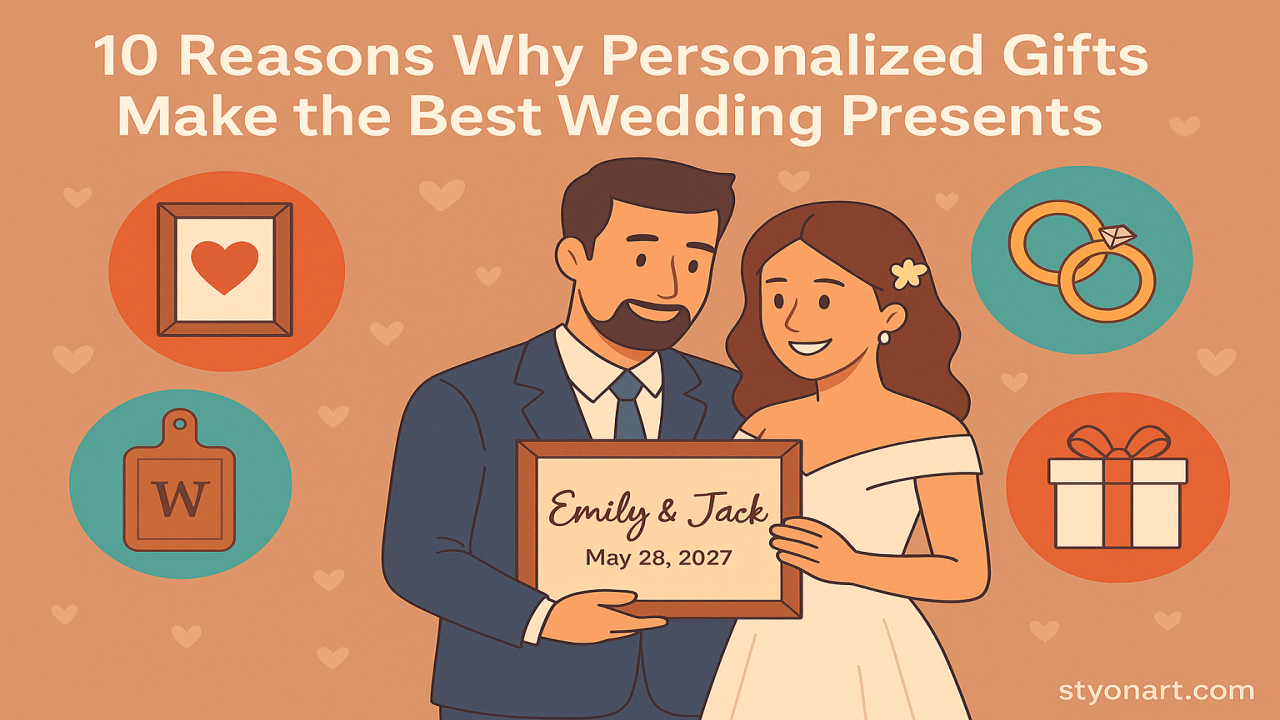
personalized posters,
custom merchandise,
AI-generated prints,
avatar creation,
product customization tools.
This increases revenue because customers are willing to pay more for something uniquely theirs.
Platforms like STYON Art combine AI generation with premium physical products, turning digital creations into real, high-value items.
Conclusion
In 2025, AI Art is not just a creative toy — it is a business engine. Brands use it to create faster, personalize deeply, stand out visually, and convert more customers. Whether for marketing, product development, or customer experience, AI increases both efficiency and profitability.
The companies that embrace AI Art today will lead the market tomorrow.
Comments (0)
No comments found