
Mixed Media and Sensory Art in 2026: Experiencing Creativity Beyond the Visual
In 2026, art is no longer limited to what can be seen. Mixed media and sensory art are redefining how audiences interact with creativity, transforming art from a visual object into a full experience that engages multiple senses.
Beyond Traditional Art Forms
Mixed media art combines materials, techniques, and disciplines into a single work. Paint, textiles, objects, light, sound, and digital elements coexist, allowing artists to express complex ideas that cannot be contained in one medium alone.
Engaging the Senses
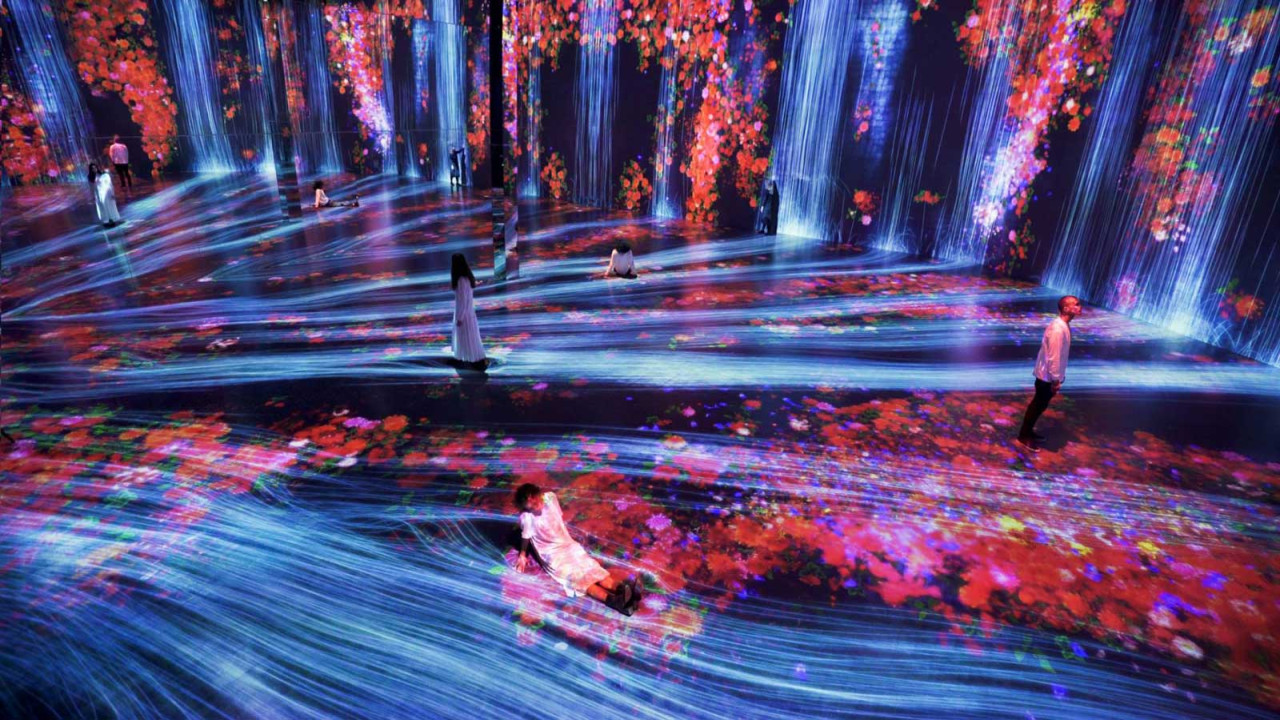
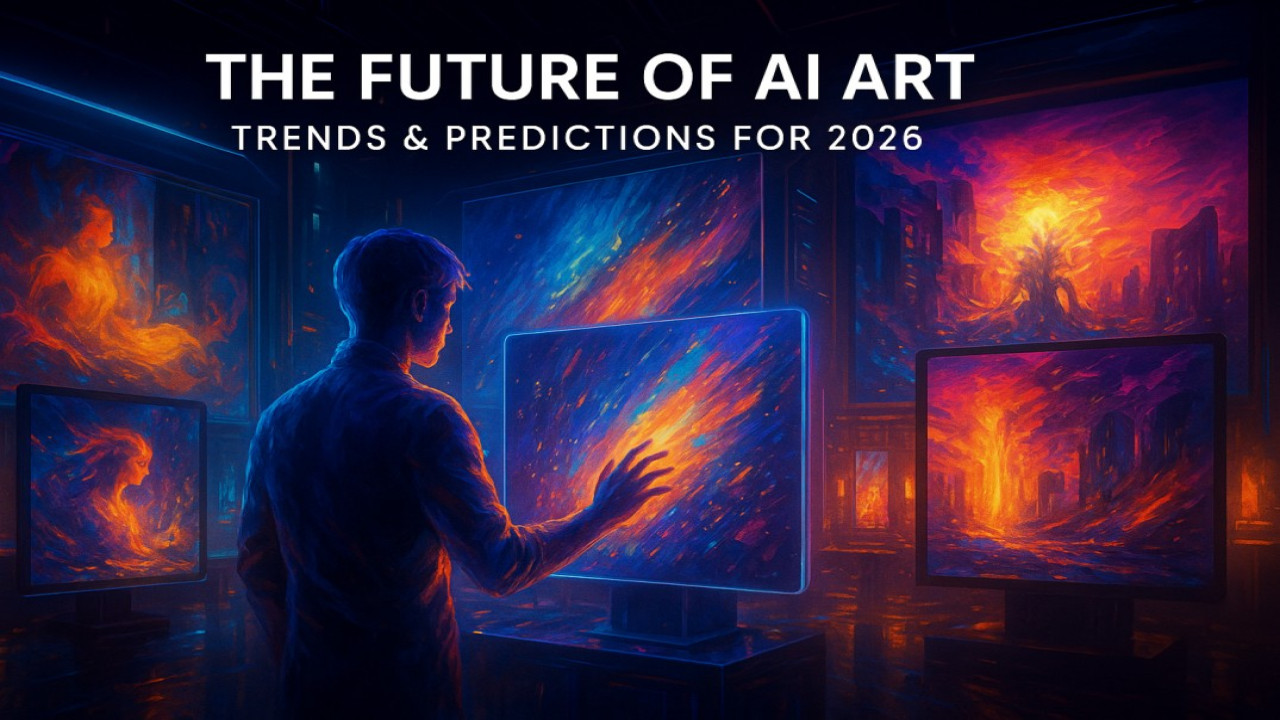
Sensory art invites viewers to feel, hear, and sometimes even move within the artwork. Texture, soundscapes, lighting, and spatial design create immersive environments that deepen emotional connection and personal interpretation.
Emotional Immersion and Presence
By engaging multiple senses, art becomes more memorable and impactful. These immersive experiences encourage presence and mindfulness, offering audiences a deeper connection to the artwork and its message.
Technology as an Enabler
While mixed media often includes physical materials, technology plays a supporting role. Projections, interactive elements, and responsive installations enhance sensory engagement without overshadowing the human aspect of creativity.
Redefining the Role of the Viewer
In sensory art, the audience becomes part of the artwork. Movement, interaction, and personal perception influence the experience, making each encounter unique. This shift transforms art from observation to participation.
A Defining Trend of 2026
Mixed media and sensory art reflect a broader desire for meaningful experiences in a digital world. As attention becomes fragmented, immersive creativity offers depth, presence, and emotional resonance that traditional formats cannot achieve alone.

Comments (0)
No comments found