
The Future of Digital Art: What Comes After AI?
Introduction
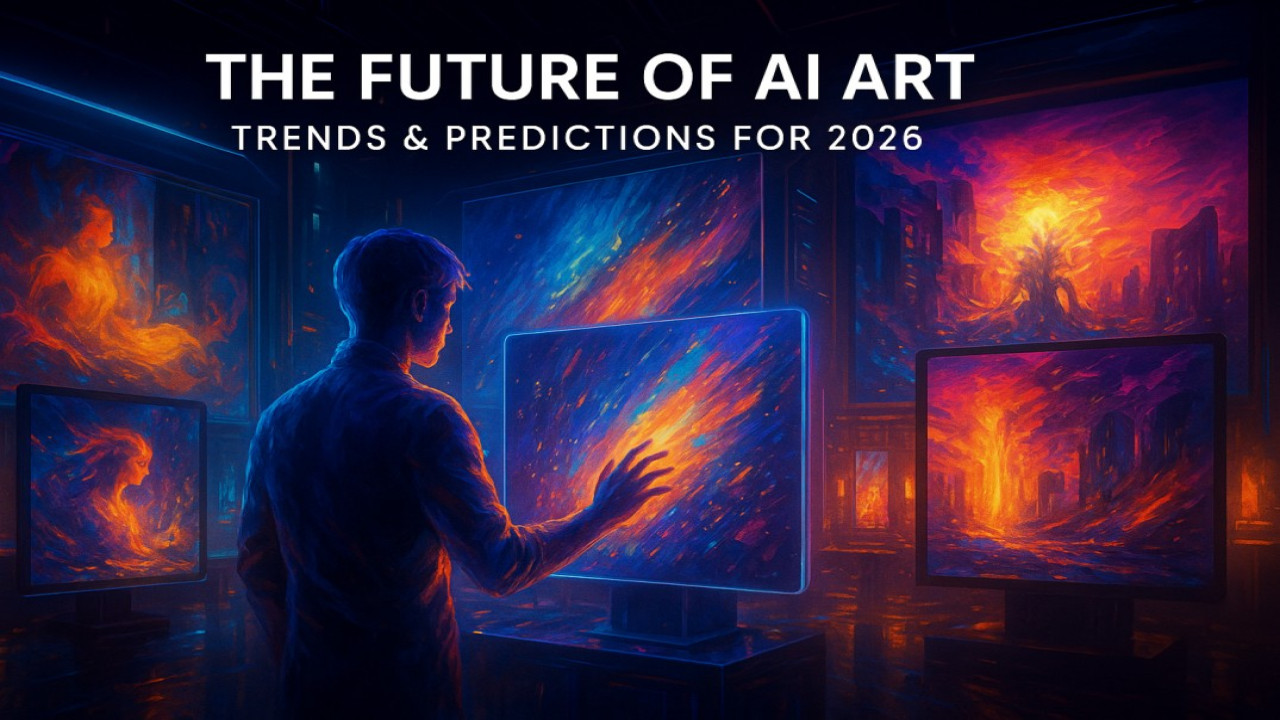
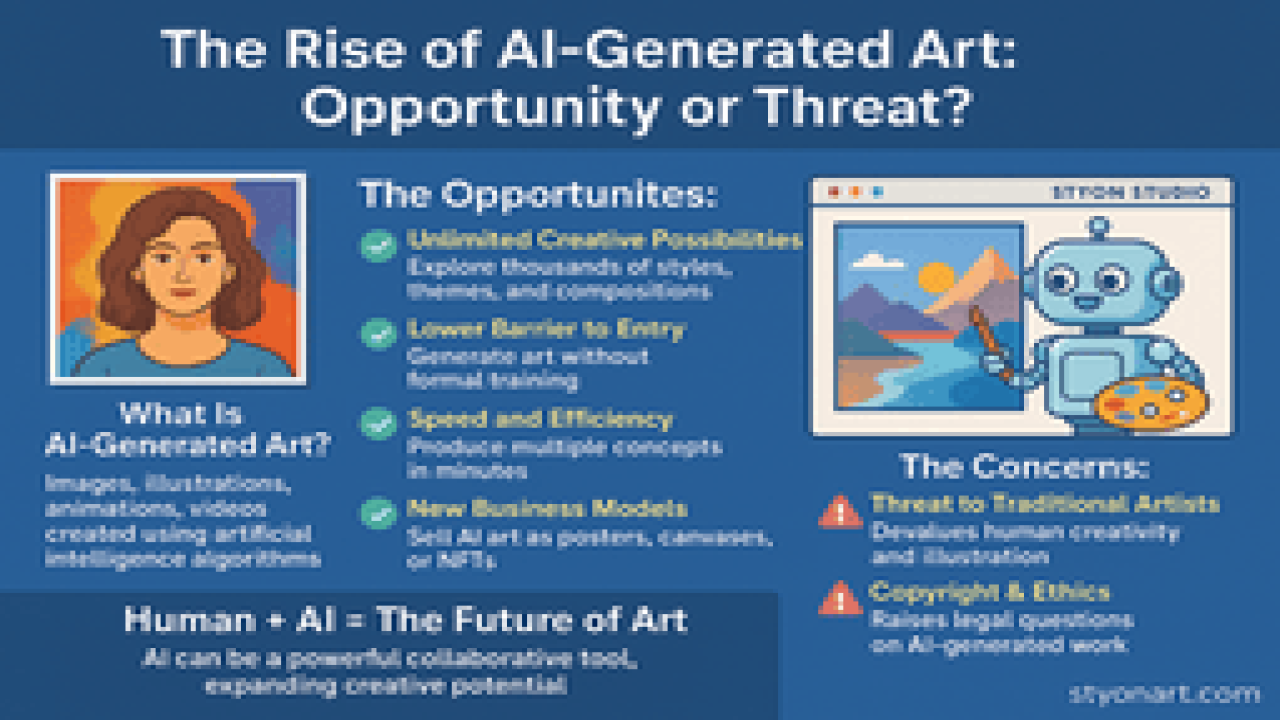
AI Art has already transformed the way we create and interact with visual content. But as artificial intelligence becomes more advanced, a new question emerges: What comes next?
The future of digital art extends far beyond current text-to-image tools. It involves deeper personalization, interactive experiences, creative automation, and an entirely new relationship between humans and machines.
1. Hyper-personalized art experiences
The next generation of digital art will go beyond simple image generation. We will see:
art that adapts to your mood, preferences, and environment,
interactive canvases that change dynamically,
personalized visual spaces for homes and digital devices.
AI will evolve into an artistic collaborator that learns your style and creates with you — not for you.
2. Hybrid artists: Humans + AI together
Future artists will no longer choose between traditional and digital. Instead, they will combine:
manual sketching,
generative AI,
3D modeling,
VR sculpting,
motion and sound integration.
Artists will become “creative directors” who guide AI systems, shaping unique hybrid masterpieces that neither human nor machine could make alone.
3. Immersive and interactive digital worlds
As AI merges with VR and AR, digital art will become fully immersive:
AI-generated galleries you can walk through,
holographic art pieces,
reactive art that responds to touch, voice, or movement.
This will revolutionize entertainment, education, and even interior design, allowing anyone to curate their own evolving digital universe.
4. AI-generated design for products and fashion
The future will bring AI Art into every physical object:
clothing patterns,
home decor,
furniture textures,
accessories,
packaging and branding.
AI will help designers explore thousands of concepts in minutes, making product development faster, more creative, and more customizable.
5. Ethical evolution and authenticity
As AI art advances, society will redefine what “authentic art” means. Future trends include:
verified human–AI collaboration labels,
transparent creative processes,
new copyright systems for training data,
value placed on emotion and storytelling, not just technique.
The art world will shift its focus from how something is made to why it was created.
6. The rise of AI-native artistic styles
Just as photography created its own visual language, AI will develop:
new artistic patterns,
unique visual signatures,
styles that do not exist in traditional mediums.
These “AI-native styles” will shape future design trends, aesthetics, and cultural expression worldwide.
Conclusion
The future of digital art extends far beyond image generation. We are entering an era of deep personalization, hybrid creativity, interactive worlds, and new artistic identities. AI is not the end of art — it is the beginning of a new artistic dimension.
The ones who embrace AI as a creative partner will lead the next evolution of digital expression.

Comments (0)
No comments found