
The Power of Art: How Creativity Shapes the World We Live In
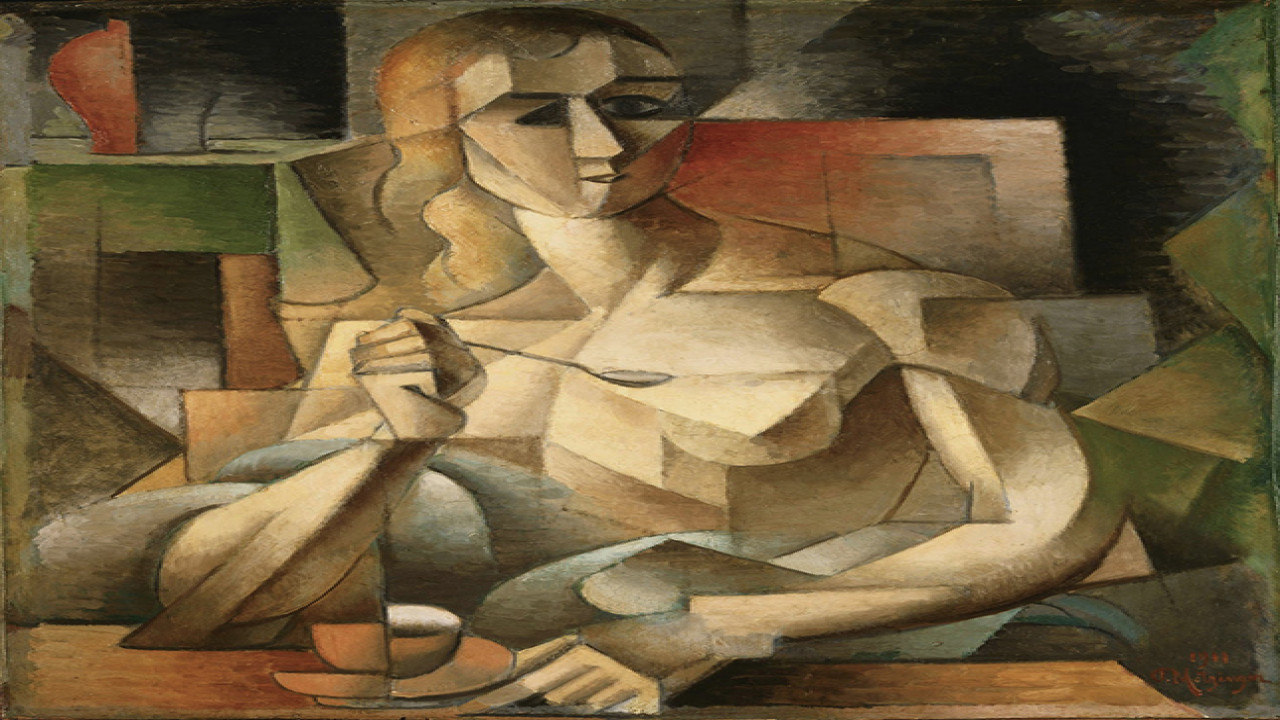
Art has always been more than decoration. From the earliest cave paintings to contemporary digital creations, art has played a central role in shaping how humanity understands itself and the world around it. It reflects emotions, challenges beliefs, preserves history, and inspires change.
Art as a Reflection of Society
Every era leaves its mark through art. Paintings, sculptures, music, and architecture capture the values, fears, and hopes of their time. Art becomes a visual record of human evolution, revealing how cultures develop, collide, and transform.
Emotional and Psychological Impact
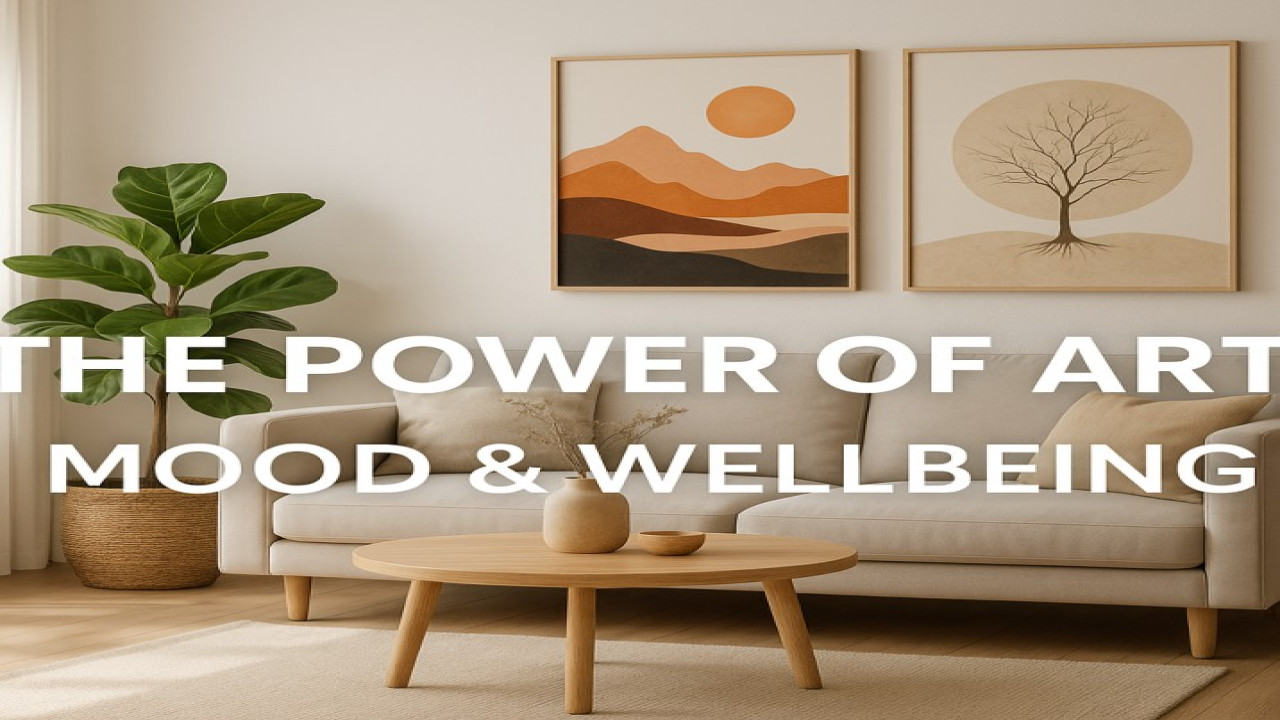
Art has the power to move people deeply. A single image can evoke joy, nostalgia, sadness, or hope. Studies show that engaging with art can reduce stress, improve mental well-being, and help individuals process complex emotions. In a fast-paced world, art offers moments of reflection and inner balance.
Art as a Catalyst for Change
Throughout history, art has challenged injustice and inspired social movements. Artists often address sensitive topics such as inequality, freedom, identity, and human rights. By provoking thought and dialogue, art becomes a silent but powerful force for transformation.
A Universal Language
One of art’s greatest strengths is its universality. A painting or photograph can be understood across cultures, languages, and borders. Art connects people by creating shared emotional experiences, fostering empathy and understanding in a divided world.
Art in the Digital Age
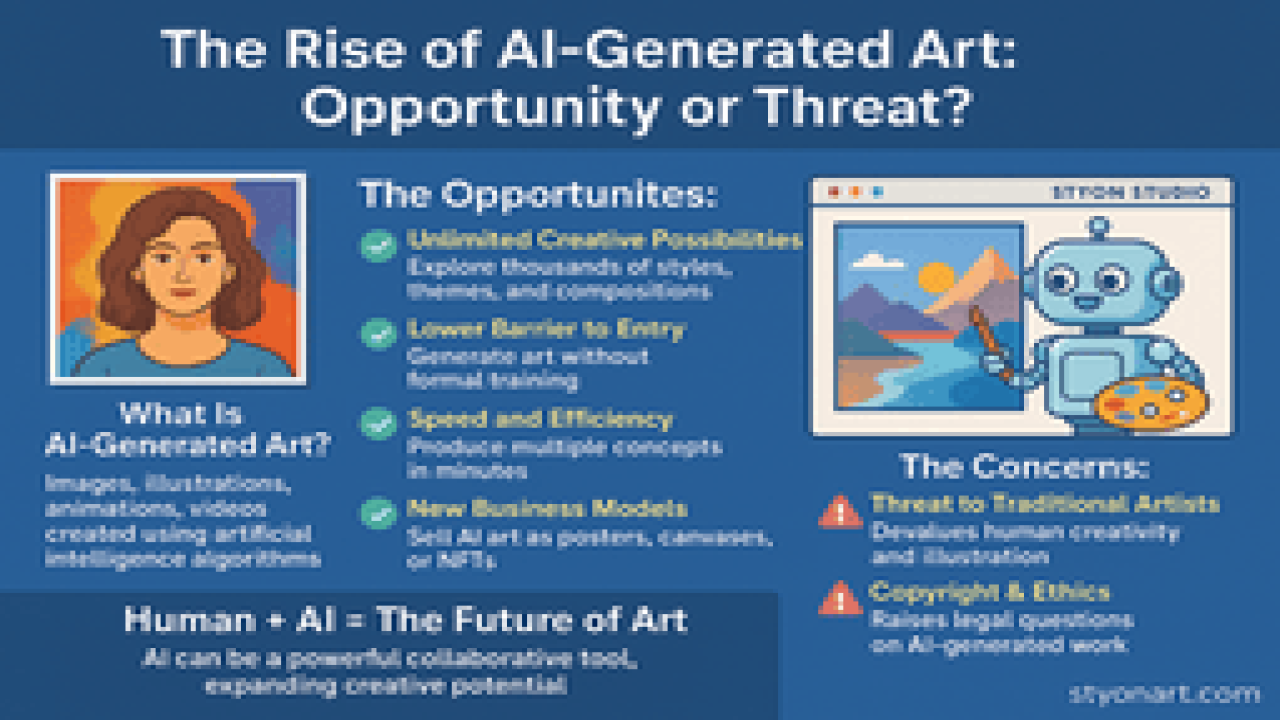
Today, technology and artificial intelligence are redefining artistic creation. Digital art, AI-generated images, and immersive experiences expand creativity beyond traditional limits. Art is no longer confined to galleries—it lives online, evolves instantly, and reaches global audiences in seconds.
Why Art Matters More Than Ever
In an era dominated by information and automation, art reminds us of what makes us human: imagination, emotion, and meaning. It challenges us to see differently, feel deeply, and question the world we live in.
Art does not merely exist alongside society—it actively shapes it.

Comments (0)
No comments found