
The Psychological Benefits of AI Art: How Digital Creativity Improves Emotional Well-Being
The Psychological Benefits of AI Art: How Digital Creativity Improves Emotional Well-Being
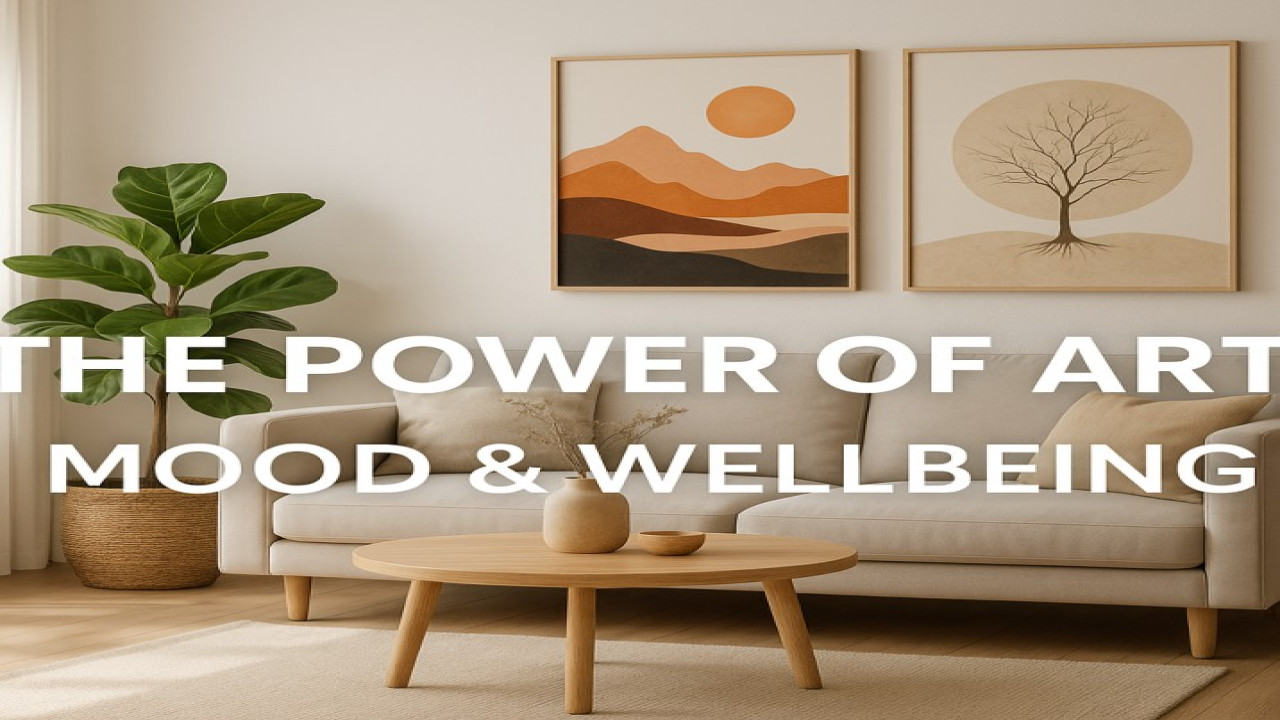
Artificial intelligence is transforming not only the way we produce art but also the way we feel. AI-generated art has emerged as a powerful tool that supports emotional well-being, reduces stress, and helps people process thoughts and emotions. As platforms like StyonArt make digital creativity more accessible than ever, millions of users discover the therapeutic side of AI art.
AI Art as a Modern Form of Emotional Expression
For many people, expressing emotions visually feels more natural than using words. AI tools allow anyone—regardless of artistic skill—to bring inner feelings to life through color, shape, and imagery.
This empowers people to explore emotions they might struggle to verbalize.
AI supports:
self-reflection,
emotional clarity,
storytelling through visuals,
expression without judgement.
It acts as a safe creative space where users can simply… feel.
Reducing Stress Through Creative Flow
Creating art is scientifically proven to reduce cortisol—the stress hormone.
The same applies to AI art, even though the tools are digital.
The process of:
imagining,
prompting,
refining,
and seeing the final result
creates a state similar to a mindfulness exercise. Users often describe generating AI art as calming, grounding, and mentally refreshing.
Boosting Confidence and Creative Identity
Many people believe they “aren’t creative.”
AI art destroys this limiting belief instantly.
By allowing users to create visually impressive results in seconds, AI:
boosts confidence,
reinforces a sense of personal creativity,
encourages experimentation,
removes fear of failure.
This positive relationship with creativity enhances overall self-esteem.
AI Art as a Tool for Therapy and Mindfulness
Psychologists and wellness coaches increasingly integrate AI art into emotional exercises.
It helps clients:
visualize emotions,
externalize internal struggles,
explore self-perception,
overcome creative blocks.
AI art becomes a bridge between inner experience and outer expression—a modern therapeutic medium.
Creativity as a Path to Mental Balance
Generating art activates reward circuits in the brain.
This leads to:
dopamine release,
improved mood,
reduced anxiety,
greater emotional stability.
Whether someone creates a peaceful landscape or an abstract explosion of color, the act of creating is what heals.
AI Art Helps People Feel Connected, Not Alone
Sharing AI creations with communities—such as on StyonArt’s future galleries—allows people to connect through imagination.
This builds:
belonging,
shared inspiration,
emotional support.
Art becomes a universal language again.
Why Emotional Well-Being Matters in a Digital Age
Today’s world is fast, demanding, and mentally exhausting.
AI art offers something rare:
a peaceful moment of self-connection in the middle of chaos.
It reminds people to slow down, breathe, imagine, and reconnect with themselves.
Conclusion
AI art is not just a technological breakthrough—it is a psychological one.
By making creativity accessible, relaxing, and deeply personal, AI improves emotional well-being and transforms how people relate to their inner world. Platforms like StyonArt make this healing experience available to everyone, everywhere.
Comments (0)
No comments found