

The Psychology Behind Buying AI Art
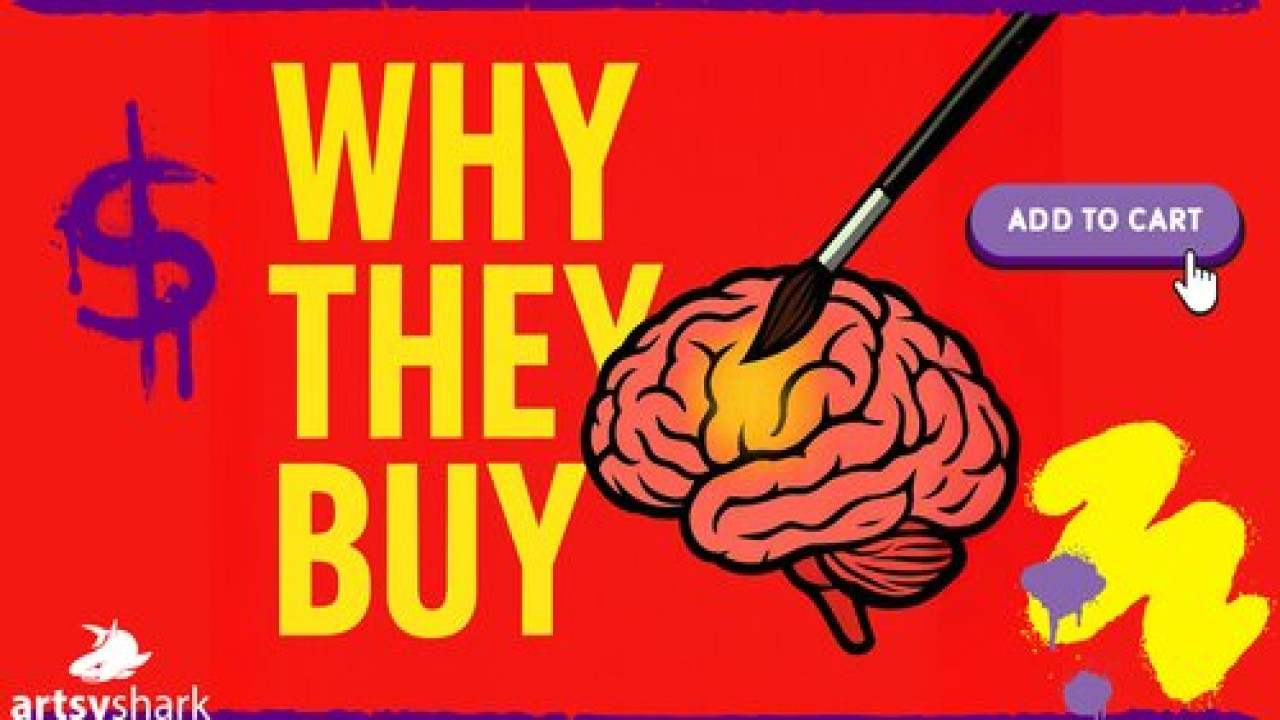
People do not buy AI art because it is generated by technology. They buy it because it satisfies emotional, psychological, and identity-driven needs. Understanding buyer psychology helps AI artists present their work in ways that resonate deeply and convert interest into action.
This article explores the key psychological drivers behind purchasing AI-generated art.
🧠 Emotion Comes Before Logic
Art purchases are emotional decisions first. Buyers respond to:
feelings triggered by the artwork
personal memories or aspirations
emotional resonance and mood
Logic justifies the purchase later. Emotion initiates it.
🎯 Identity and Self-Expression
Many buyers choose art that reflects who they are — or who they want to become. AI art appeals when it:
aligns with personal values
expresses individuality
feels unique or exclusive
Art becomes a mirror of identity.
🖼️ Perceived Uniqueness Increases Desire
Even in AI art, buyers value originality. Limited editions, collections, or personalized works increase perceived scarcity and desirability.
Uniqueness reduces hesitation and increases commitment.
💼 Trust Reduces Psychological Risk
Buying art involves uncertainty. Buyers ask themselves:
Is this artist credible?
Will the artwork meet expectations?
Is this worth the price?
Clear presentation, consistency, and transparency reduce perceived risk.
🌐 Authority and Context Matter
Where art is presented influences how it is perceived. Platforms that focus on creativity, curation, and storytelling increase trust.
Many artists build authority and context for their work on
https://styonart.com/en
where AI art is framed within a professional and creative environment.
Context shapes confidence.
⚠️ Common Psychological Barriers
Buyers hesitate when they perceive:
generic visuals
lack of story or meaning
unclear value proposition
low-quality presentation
Removing friction increases conversion.
🚀 Final Thoughts
Understanding psychology is not manipulation — it is communication.
When AI artists align their work with emotion, identity, trust, and meaning, buying becomes a natural response rather than a forced decision.
People don’t buy AI art.
They buy how it makes them feel.
Comments (0)
No comments found