


The Rise of Emotional Art in 2026: Feeling Over Perfection
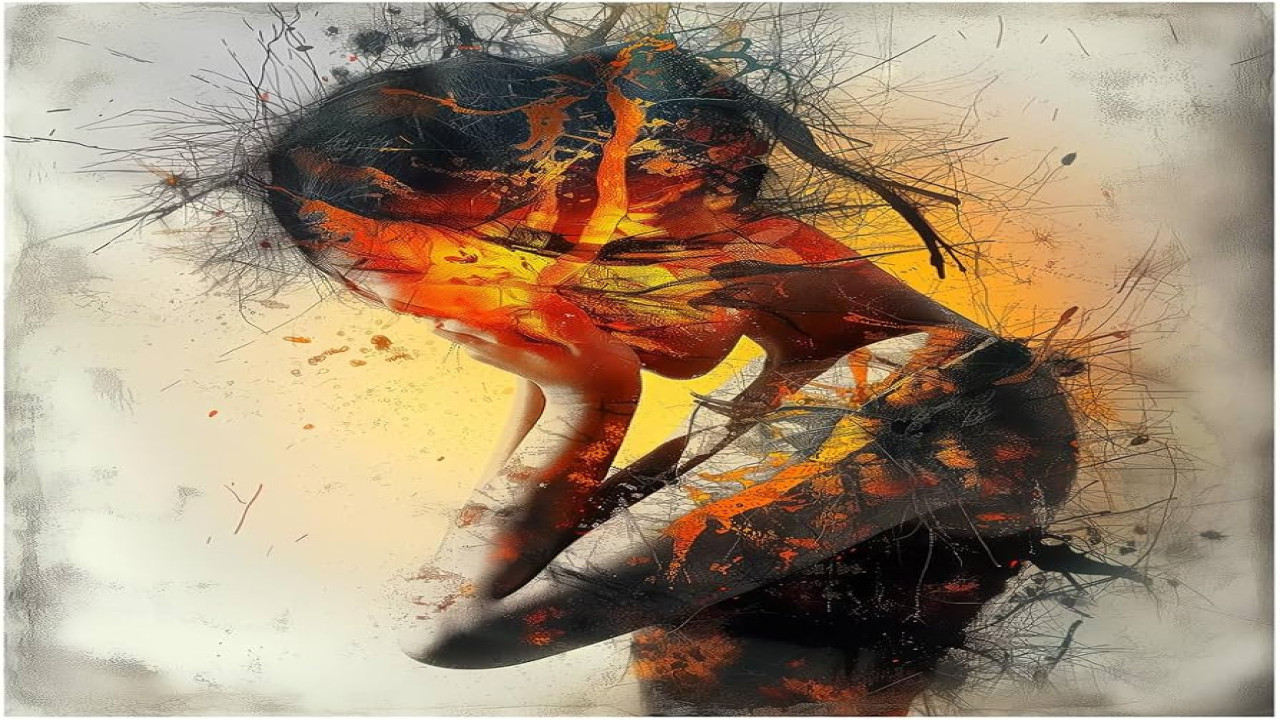
In 2026, art shifts its focus from technical perfection to emotional resonance. Audiences increasingly value how art makes them feel rather than how flawless it appears. Emotional depth becomes the defining quality of contemporary creativity.
Emotion as the Core of Artistic Value
Artworks that evoke strong feelings—comfort, nostalgia, vulnerability, or hope—stand out in a visually saturated world. Emotional impact creates lasting connections, transforming art into a personal experience rather than a visual product.
Imperfection and Authentic Expression
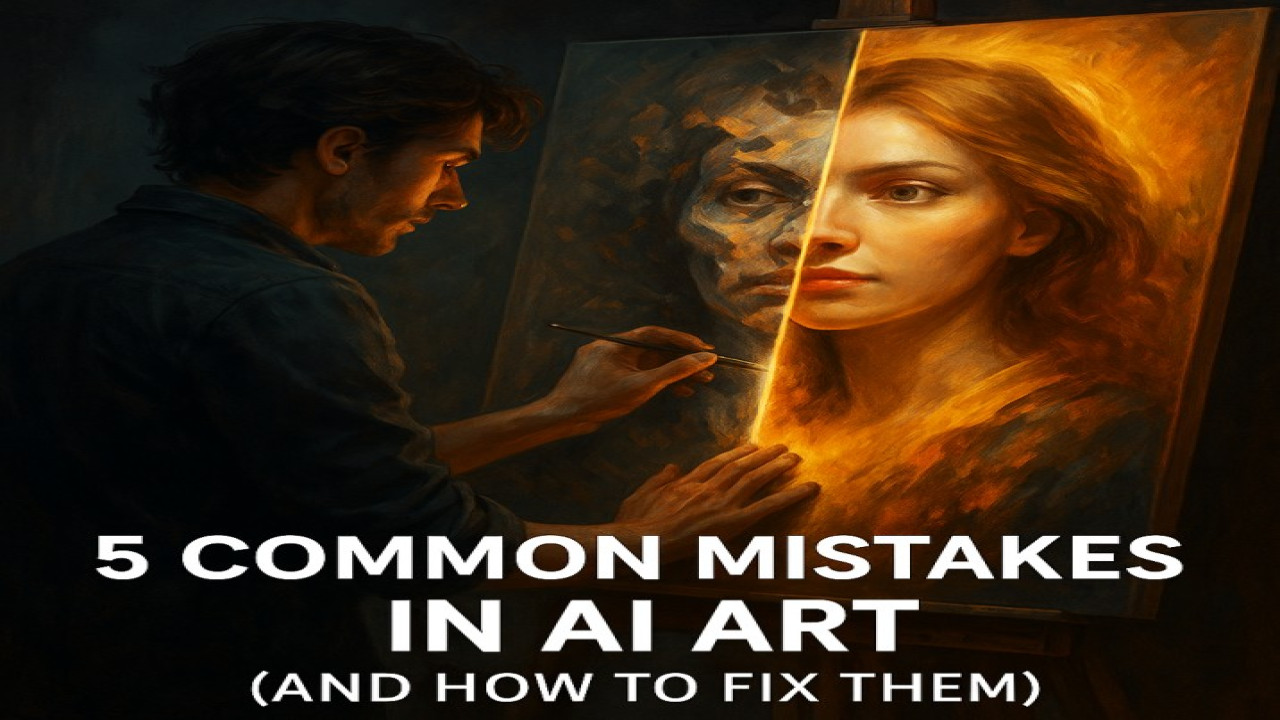
Artists embrace rawness and honesty. Visible brushstrokes, unfinished elements, and expressive forms communicate emotion more powerfully than polished surfaces. This authenticity allows viewers to relate on a deeper, human level.
Art as Emotional Communication
In 2026, art functions as a language of emotion. Without words, it expresses experiences that are difficult to articulate, offering viewers a sense of understanding and shared feeling.
Healing and Emotional Reflection
Emotional art often serves a therapeutic role. It provides space for reflection, healing, and emotional processing, responding to the growing need for mental and emotional well-being in modern society.
The Viewer’s Emotional Journey
Rather than instructing viewers what to think, emotional art invites personal interpretation. Each individual brings their own experiences and emotions into the artwork, creating unique and meaningful connections.
A Lasting Cultural Shift
The rise of emotional art reflects a broader cultural change. In 2026, people seek sincerity, depth, and emotional truth—making art a powerful companion in navigating complex human experiences.


Comments (0)
No comments found